
These thin, golden Homemade Crepes are buttery, delicate, and endlessly versatile. I still remember the first time I made them on a lazy Sunday morning, watching them bubble and brown in the skillet while the kitchen filled with the scent of vanilla and melted butter. They turned out better than I expected, tender and light, folding perfectly around whatever filling I had on hand.

If you're looking for something simple but impressive, this Homemade Crepes Recipe delivers bakery-style results at home with ingredients you probably already have. They're wonderful alongside other BREAKFAST RECIPES like my spinach and feta omelet or even Fluffy Cottage Cheese Egg Muffins for a complete brunch spread.
Why You'll Love This Easy Homemade Crepes Recipe
Here's what makes this simple crepe recipe a keeper. The batter is foolproof, especially if you use a blender. You don't need any fancy equipment, just a regular 8-inch skillet works beautifully. The recipe gives you about 14 crepes, enough to feed a crowd or freeze half for later. They're quick enough for a weekday breakfast but special enough for a Sunday brunch. Kids love them because they can pick their own fillings, and adults appreciate how elegant they look on the plate. Whether you're new to making crepes without a crepe pan or you've been making French crepes for years
Jump to:
Homemade Crepes Ingredients
Here's everything you need to make perfect Homemade Crepes at home.
See Recipe Card Below This Post For Ingredient Quantities
- Unsalted butter: Adds richness and helps the crepes cook up golden and tender. You'll melt some for the batter and use the rest to grease the pan between each crepe.
- All-purpose flour: Forms the structure of the crepes and keeps them soft but sturdy enough to hold fillings. Spoon and level your flour for the best texture.
- Granulated sugar: Adds a hint of sweetness that works for both sweet and savory crepes. You can leave it out if you're going fully savory.
- Salt: Balances the sweetness and brings out all the other flavors in the batter.
- Whole milk: Creates a smooth, creamy batter and keeps the crepes moist. Room temperature milk blends better and prevents clumping.
- Water: Thins out the batter just enough so it spreads easily in the pan. This is what makes the crepes delicate instead of thick.
- Large eggs: Bind everything together and add richness. Room temperature eggs blend more smoothly into the batter.
- Pure vanilla extract: Gives the crepes a warm, sweet aroma that makes the whole kitchen smell amazing.
HOW TO MAKE Homemade Crepes
Follow these steps for thin, golden Homemade Crepes every time.
Melt the butter: Melt 3 tablespoons of butter in the microwave or on the stove. Let it cool for about 5 minutes so it doesn't scramble the eggs when you blend everything together.
Prepare the batter: Combine the cooled melted butter, flour, sugar, salt, milk, water, eggs, and vanilla in a blender or large food processor. Blend on medium-high speed for 20 to 30 seconds until smooth and the consistency of cream. If you don't have a blender, whisk by hand in a large mixing bowl until there are no lumps. Cover and refrigerate for 30 to 60 minutes, or up to 1 day. Stir after refrigerating if the batter separates.
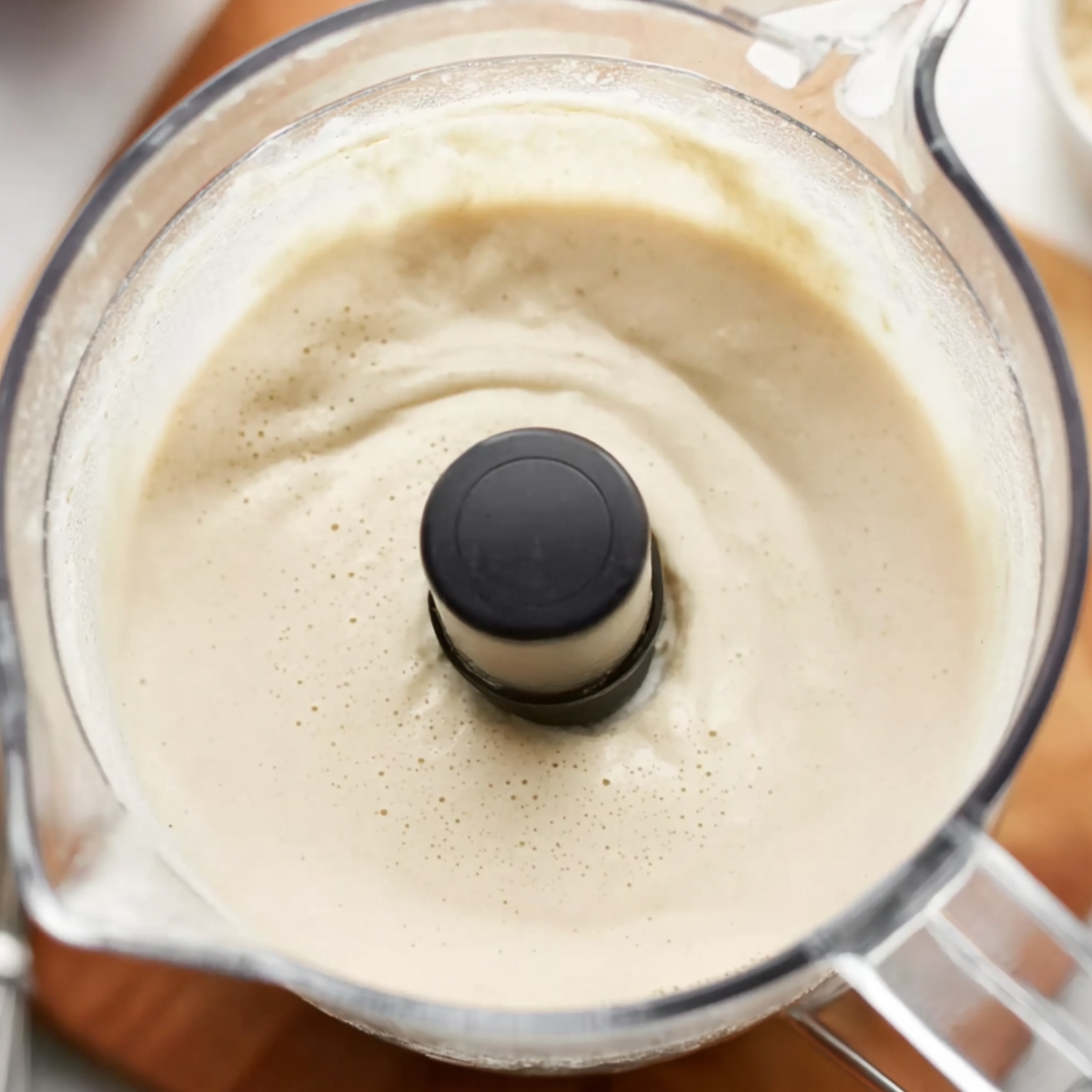
Cook the crepes: Heat a small 8-inch skillet over medium heat and grease it with a bit of the remaining butter. Pour 3 to 4 tablespoons of batter into the skillet and immediately tilt the pan in a circular motion to spread the batter thinly and evenly. Cook for 1 to 2 minutes until the bottom is set and the edges start to lift, then flip with a spatula and cook the other side for 30 seconds. The first crepe is always a test run, so don't worry if it's not perfect. Repeat with the remaining batter, greasing the pan between each crepe.
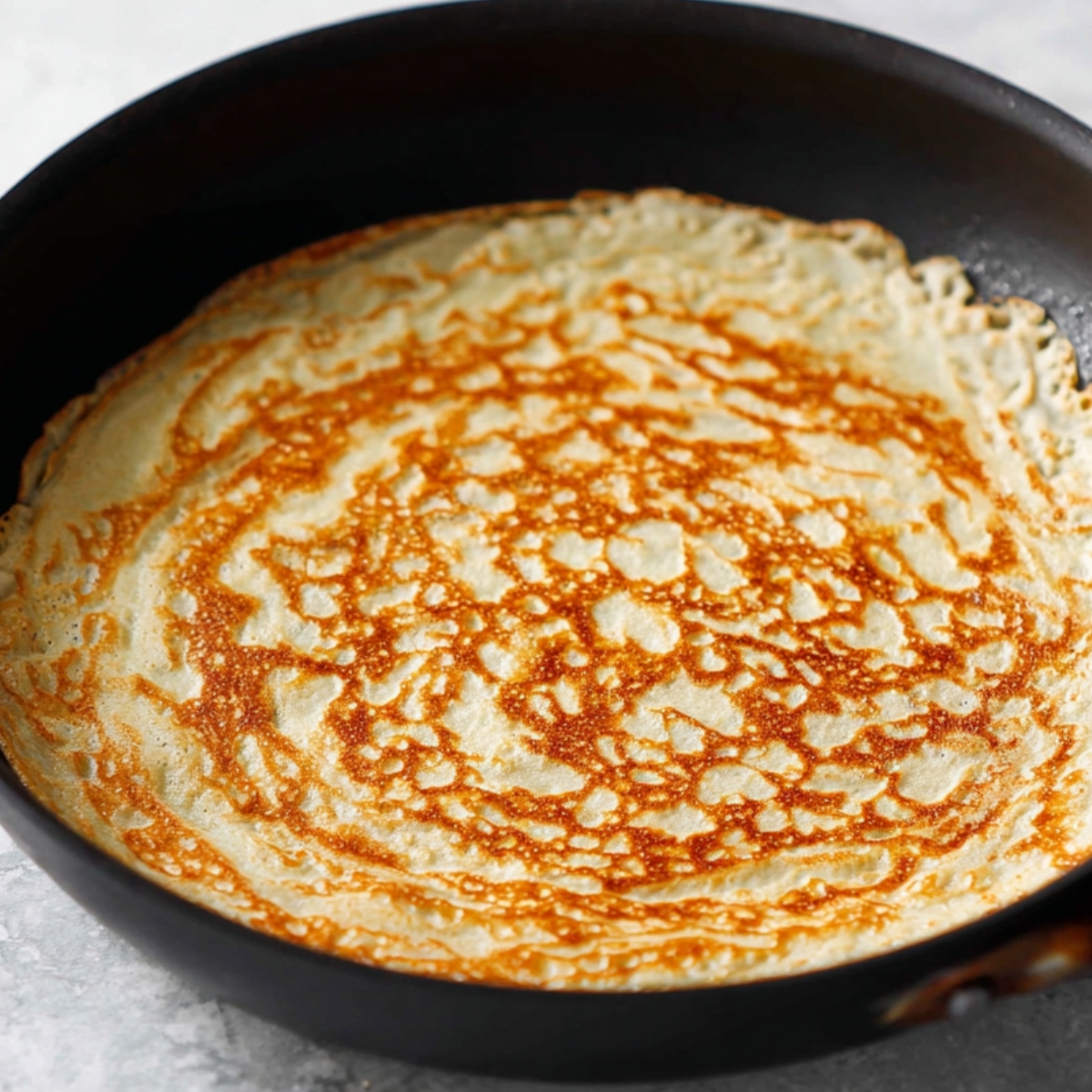
Fill the crepes: Serve immediately with your desired fillings. Sweet options include whipped cream, fresh berries, or melted chocolate. Savory fillings like pesto or hollandaise work beautifully too. Fold them into quarters or roll them up, whatever feels right.
Substitutions and Variations
You can adapt this crepe batter recipe to fit what you have on hand. If you don't have whole milk, 2% milk works fine, though the Homemade Crepes might be slightly less rich. You can swap the water for more milk if you want a creamier batter. For a dairy-free version, use plant-based milk and vegan butter. If you're making savory crepes, you can skip the sugar and add a pinch of black pepper or herbs to the batter. Some people like to add a tablespoon of melted coconut oil for a subtle tropical flavor. The vanilla can be left out for savory crepes, or you can replace it with almond extract for a nutty twist.
Equipment FOR Homemade Crepes
You don't need much to make crepes for beginners. A blender or food processor makes the batter smooth and lump-free in seconds, but a whisk and a good arm work too. An 8-inch skillet is the perfect size, though you can use a specialty crepe pan if you have one. A silicone spatula helps you flip the Homemade Crepes without tearing them. If you're making a big batch, a small mixing bowl is handy for extra butter. That's it. No special tools required.
How to Store and Reheat Homemade Crepes
Crepes store beautifully, which is one of the reasons I love this step-by-step crepe guide. Once they've cooled completely, stack them with a piece of parchment paper between each one and store them in an airtight container in the fridge for up to 3 days. To reheat, warm them gently in a skillet over low heat for about 30 seconds per side, or microwave them for 10 to 15 seconds. For longer storage, freeze the stacked Homemade Crepes in a freezer-safe bag for up to 2 months. Let them thaw in the fridge overnight, then reheat as usual. They taste just as good as fresh.
Expert Tips
Here are a few crepe cooking tips that make all the difference. Let the batter rest in the fridge for at least 30 minutes. This allows the flour to hydrate fully and gives you smoother, more tender Homemade Crepes. If your first crepe sticks or tears, your pan might not be hot enough, or you might need a bit more butter. The pan should be hot enough that the batter sizzles lightly when it hits the surface. Tilt the pan quickly after pouring the batter so it spreads thin and even. If the batter seems too thick, add a tablespoon of water and stir.
FAQ
What are the 3 ingredients in crepes?
The most basic crepes use just flour, eggs, and milk. This recipe adds butter, sugar, vanilla, and a bit of water for extra flavor and a thinner, more delicate texture. My mom always said the butter is what makes them taste homemade.
How to make crepes in the UK?
This recipe works perfectly in the UK. Just use your regular all-purpose plain flour, whole milk, and unsalted butter. The measurements are the same, and the method is identical. You can fill them with lemon and sugar, which is very traditional, or try Nutella and bananas.
What ingredients are in basic crepes?
Basic crepes use flour, eggs, milk, butter, and a pinch of salt. Some recipes add a touch of sugar and vanilla for flavor, like this one. Water is often included to thin the batter so it spreads easily in the pan. It's a simple list, but the technique is what makes them special.
Is pancake batter the same as crêpe batter?
Not quite. Pancake batter is thicker and includes more leavening like baking powder, which makes pancakes fluffy. Crepe batter is much thinner, almost liquid, with no leavening, so the crepes come out flat and delicate. You can't really swap one for the other, but if you thin out pancake batter a lot, you might get something close.
Related
Looking for other recipes like this? Try these:



Pairing
These are my favorite dishes to serve with Homemade Crepes:



Homemade Crepes
Ingredients
Method
- Melt the butter in the microwave or on the stove. Let it cool for about 5 minutes.
- Blend the batter by combining the melted butter, flour, sugar, salt, milk, water, eggs, and vanilla in a blender or food processor. If you don't have these, use a large mixing bowl and whisk by hand. Blend for 20-30 seconds until smooth.
- Chill the batter in the fridge for 30 minutes to 1 hour (or up to 1 day). If the batter separates, stir before cooking.
- Prepare the skillet by greasing it with some of the remaining butter. Place an 8-inch skillet over medium heat.
- Cook the first crepe by pouring 3-4 tablespoons of batter into the center of the hot skillet. Tilt the pan to spread the batter thinly. Cook for 1-2 minutes until the bottom is set, then flip and cook the other side for 30 seconds. Remove the crepe to a plate and repeat with the remaining batter. Remember to grease the skillet with butter between crepes.
- Fill the crepes with your desired fillings and toppings. Fold the sides over the filling. Crepes can be served warm or at room temperature.



Leave a Reply