
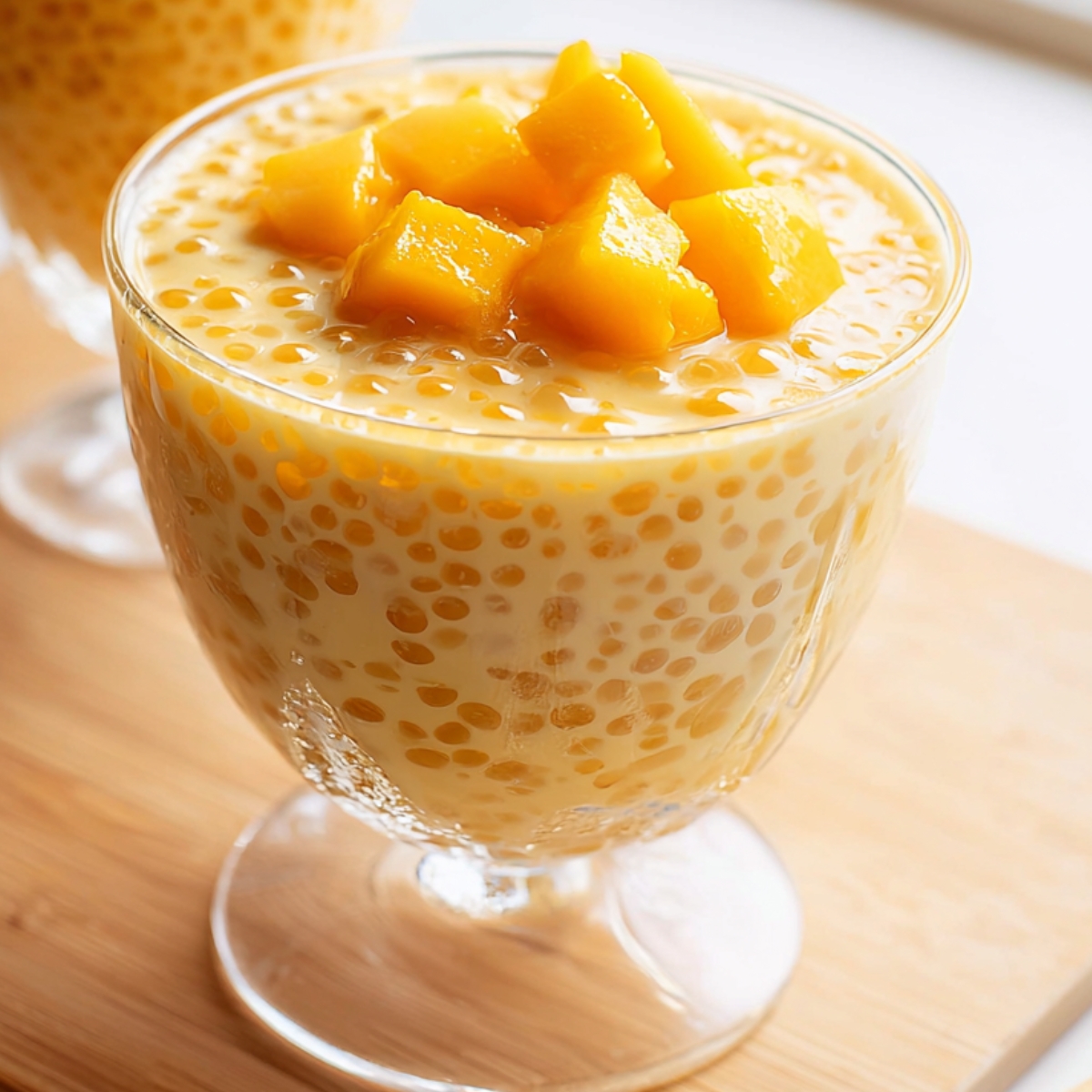
This chilled mango sago brings together chewy tapioca pearls, sweet coconut milk, and juicy ripe mangoes in a dessert that tastes like pure tropical sunshine. I first tried this at a dim sum restaurant years ago, and I've been hooked ever since. The combination of textures-soft mango chunks, bouncy tapioca, and silky coconut cream-makes every spoonful interesting. It's surprisingly simple to throw together at home, and it's become my go-to when I need something cool and refreshing.
If you love tropical flavors, you might also enjoy my easy Belgian waffle recipe for breakfast, or try my easy flan recipe Mexican style for another creamy dessert. For chocolate lovers, the best chocolate cherry cake recipe is always a winner.
Why You'll Love This Mango Sago Recipe
This dessert checks all the boxes. It's quick-you can have it ready in about 25 minutes. It's no-bake, so you don't have to turn on the oven. The ingredients are simple and easy to find, and the result is a restaurant-quality tropical dessert that looks fancy but requires zero special skills.
The texture is what makes this recipe stand out. You get chewy tapioca pearls, creamy coconut milk, chunks of fresh mango, and little bursts of coconut jelly in every bite. It's fun to eat and completely satisfying on a warm day.
Plus, it's a crowd-pleaser. Kids love the bouncy pearls, and adults appreciate the balance of sweetness and freshness. You can make it ahead and keep it in the fridge, which makes it ideal for summer gatherings or meal prep.
Jump to:
mango sago Ingredients
See Recipe Card Below This Post For Ingredient Quantities
Here's what goes into this tropical dessert:
For the Tapioca Pearls:
- Water: You'll need 5 cups to cook the tapioca pearls until they're soft and translucent.
- Small tapioca pearls: These are the chewy "bubbles" in the dessert. Look for small pearls, not the large boba kind. They cook faster and have a delicate texture.
For the Mango Mixture:
- Mangoes: Fresh, ripe mangoes are blended into a smooth, sweet base. Use mangoes that smell fragrant and give slightly when pressed.
- Sweetened condensed milk: Adds creaminess and sweetness to the mango puree. You can adjust the amount based on how sweet your mangoes are.
For Assembly:
- Cooked tapioca pearls: These go into the final dessert for that signature chewy texture.
- Mango mixture: The blended mango puree ties everything together.
- Diced mangoes: Fresh mango chunks add bright, juicy bites throughout.
- Nata de coco (coconut jelly): These are small, chewy cubes made from fermented coconut water. They add texture and a subtle coconut flavor. You can find them in jars at Asian grocery stores.
- Canned coconut milk: This creates the creamy, tropical base. Use full-fat coconut milk for the richest flavor.
HOW TO MAKE mango sago
Follow these simple steps to make your mango sago :
Cook the tapioca pearls: In a medium pot, bring 5 cups of water to a rolling boil. Stir in 3⁄4 cup small tapioca pearls, lower the heat slightly, and let them boil gently uncovered for about 10 minutes. You'll notice them turning from white to mostly clear. Turn off the heat, cover the pot, and let the pearls sit for another 10 minutes until they're fully translucent. If you see tiny white dots in the center, cover again and let them rest for 2 to 3 more minutes. Transfer the cooked pearls to a fine mesh strainer and rinse them under cold water to stop the cooking and wash away excess starch.
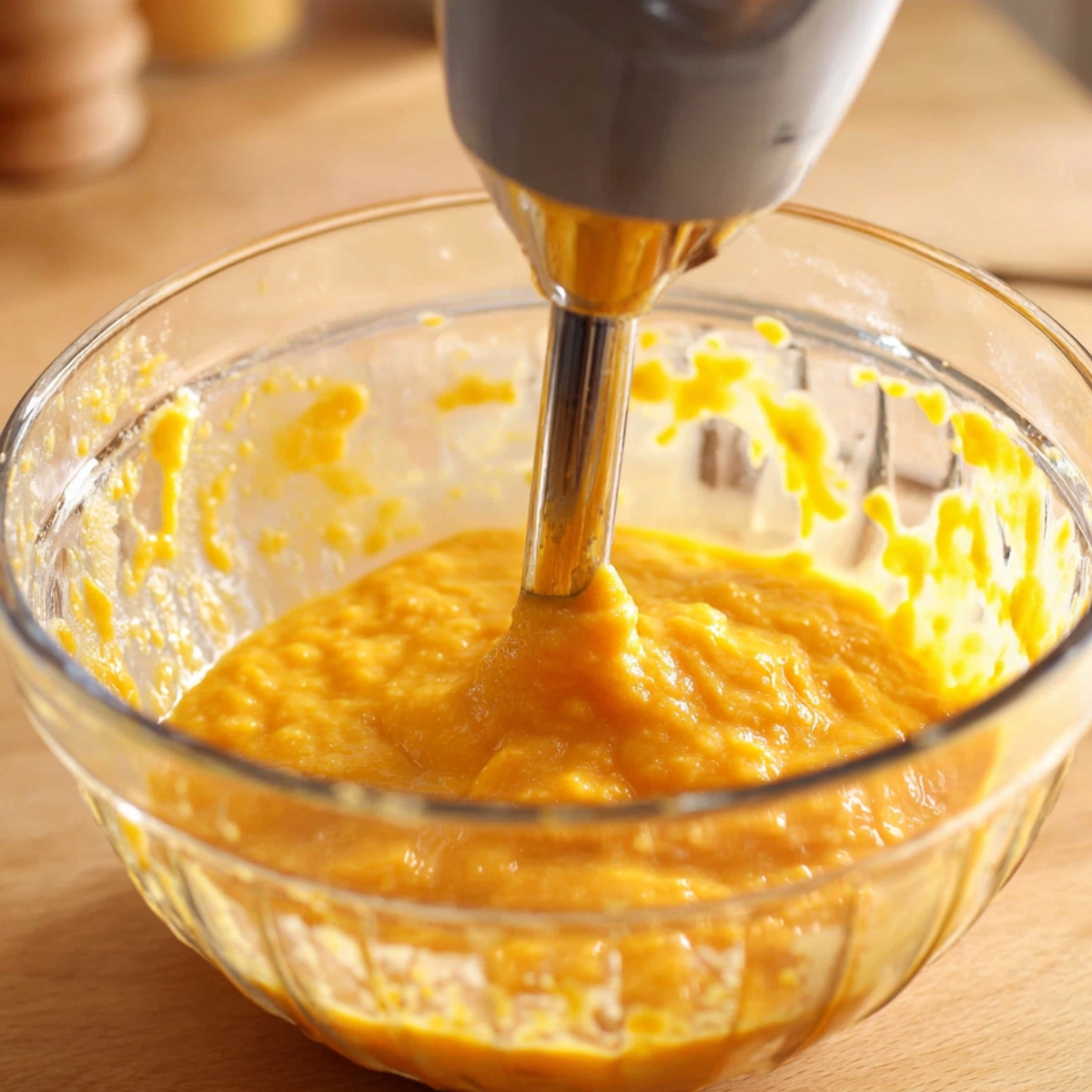
Make the mango mixture: Add 1 pound of diced mangoes and 4 tablespoons of sweetened condensed milk to a blender. Blend until completely smooth, about 15 to 30 seconds. Taste it and add more condensed milk if you want it sweeter.
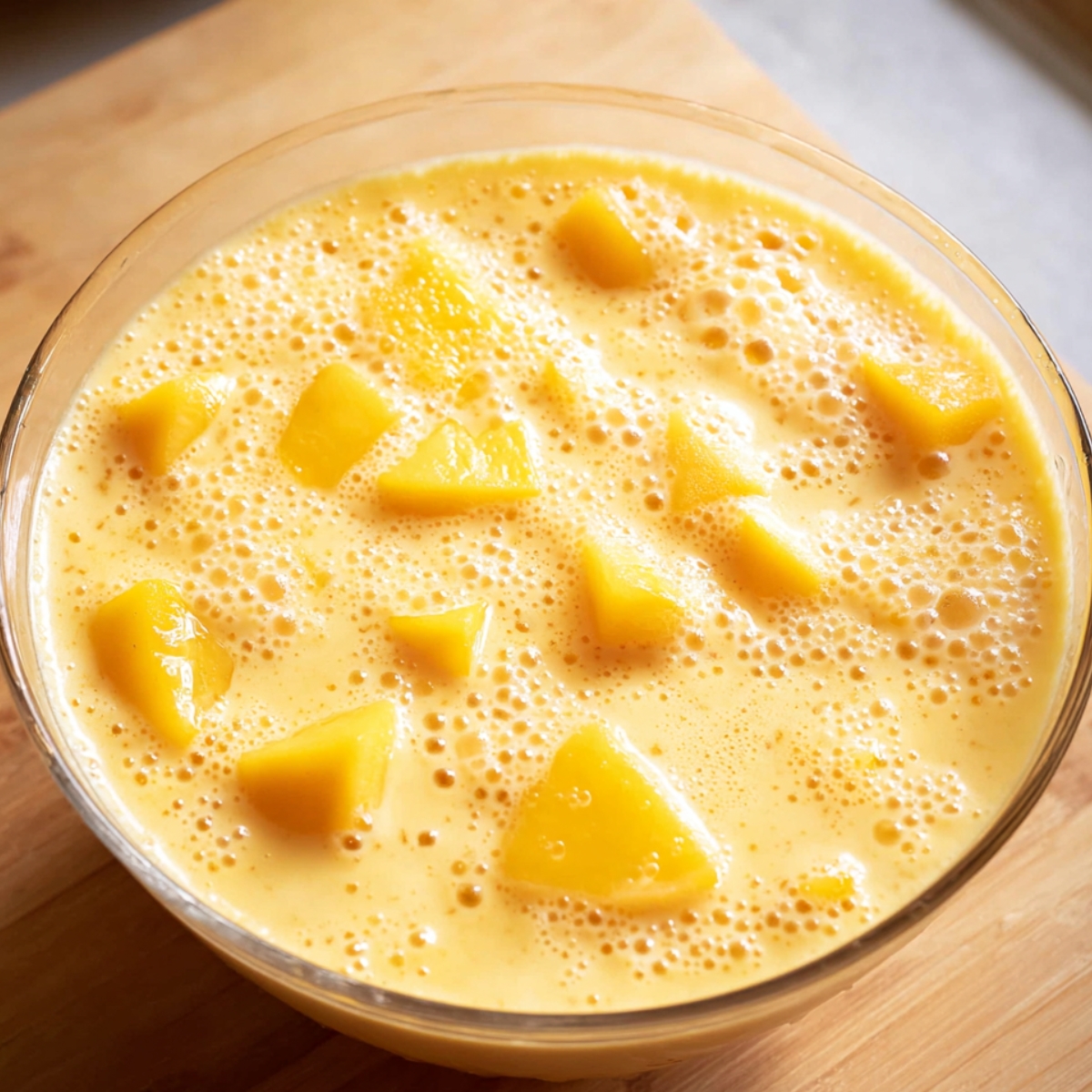
Assemble: In a large serving bowl, combine the cooked tapioca pearls, mango sago mixture, diced mangoes, drained nata de coco, and coconut milk. Stir everything together until well combined. Divide the dessert among individual serving glasses. Add ice if you want it extra cold.
Recipe Notes and Substitutions
You can easily adapt this recipe to your preferences or what you have on hand.
If you don't have fresh mangoes, frozen mango sago chunks work just fine. Thaw them first and drain any excess liquid before blending. You can also swap mangoes for strawberries to make a strawberry sago version, or mix in other fruits like diced lychee or raspberries.
For the sweetener, feel free to replace the sweetened condensed milk with brown sugar, granulated sugar, honey, or agave. Just dissolve the sugar in a bit of warm water first so it blends smoothly.
If you want to use a different milk, whole milk, soy milk, or oat milk all work well. The flavor will be less coconutty, but still delicious. You can also add a splash of coconut cream for extra richness.
Equipment FOR mango sago
This recipe doesn't require any fancy tools. Here's what you'll use:
- Kitchen scale or measuring cups for accurate measurements
- Measuring spoons for the condensed milk
- Medium pot to cook the tapioca pearls
- Fine mesh strainer to rinse the cooked pearls
- Blender to puree the mango mixture
- Large serving bowl for assembling the dessert
- Silicone spatula for stirring
- Ladle for serving into individual glasses
Storage and Make-Ahead Tips
This dessert keeps well in the fridge, which makes it great for meal prep or entertaining.
Store leftover mango sago in an airtight container in the refrigerator for up to 4 days. The flavors actually get better as they sit and meld together. Give it a gentle stir before serving, as the tapioca pearls may settle at the bottom.
I don't recommend freezing this dessert. Tapioca pearls become hard and lose their chewy texture when frozen and thawed. The coconut milk can also separate and become grainy.
If you're making this ahead for a party, you can cook the tapioca pearls and make the mango sago mixture a day in advance. Store them separately in the fridge, then assemble everything just before serving.
Expert Tips
Here are a few tricks I've learned from making this recipe over and over.
Choose ripe mangoes. The sweetness and flavor of your dessert depend on the quality of your fruit. Look for mangoes that smell sweet at the stem end and give slightly when you press them. Avoid mangoes that are rock-hard or have a fermented smell.
Don't skip rinsing the tapioca pearls. This step removes excess starch and prevents the dessert from becoming gummy. Rinse them under cold water until the water runs clear.
Adjust the sweetness. Mangoes vary in sweetness depending on the variety and ripeness. Taste your mango mixture after blending and add more condensed milk if needed. Start with less and add more, since you can't take it out once it's in.
Chill before serving. This dessert tastes best when it's cold. If you have time, refrigerate it for at least 30 minutes before serving. The flavors meld together and the coconut milk thickens slightly.
Use small tapioca pearls. Large boba pearls are too chewy for this dessert. Look for small tapioca pearls, which cook faster and have a more delicate texture.
What Is Mango Sago?
Mango sago is a popular Asian dessert that started in Hong Kong and spread across Southeast Asia. It's a cold, creamy treat made with small tapioca pearls (sago), fresh mangoes, coconut milk, and sweetened condensed milk. Some versions include coconut jelly or pomelo for extra texture.
The dessert is light, not too sweet, and incredibly refreshing on hot days. You'll find it in dim sum restaurants, dessert cafés, and street food stalls throughout Asia. It's beloved because it's simple, satisfying, and naturally gluten-free.
FAQ
C'est quoi du sago ?
Sago refers to small tapioca pearls made from the starch of tropical palm trees or cassava root. In this dessert, they're cooked until soft and chewy, adding a bouncy texture. My daughter calls them "gummy balls," which is pretty accurate. You can find them in the Asian section of most grocery stores.
De quel pays provient Mango Sago ?
Mango sago originated in Hong Kong and became popular throughout Southeast Asia, especially in Chinese dessert shops. It's now served in dim sum restaurants and cafés worldwide. The combination of tropical fruit and coconut milk reflects the region's culinary traditions and warm climate.
Qu'est-ce que les perles de sago ?
Sago pearls are small, round balls made from starch extracted from palm trees or cassava. When cooked, they turn translucent and develop a soft, chewy texture similar to boba. They're a staple in many Asian desserts and drinks. Look for ones labeled "small tapioca pearls" at the store.
Combien de temps puis-je conserver le sagou à la mangue au réfrigérateur ?
You can keep mango sago in the fridge for up to 4 days in an airtight container. The tapioca pearls will absorb some of the liquid and soften slightly over time, but the dessert still tastes great. Just give it a good stir before serving. Don't freeze it, though, or the pearls will get hard.
Related
Looking for other recipes like this? Try these:

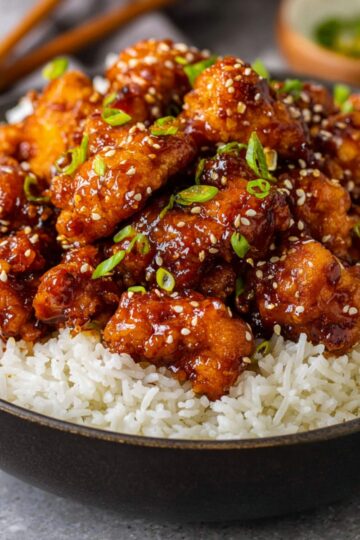

Pairing
These are my favorite dishes to serve with mango sago :

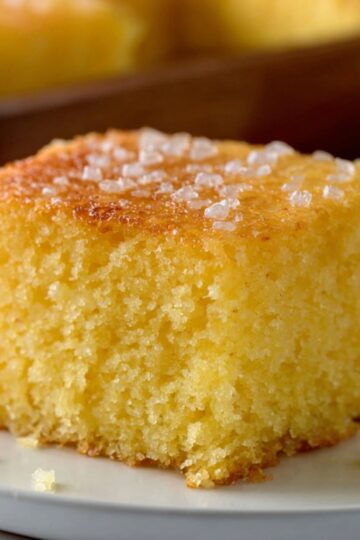
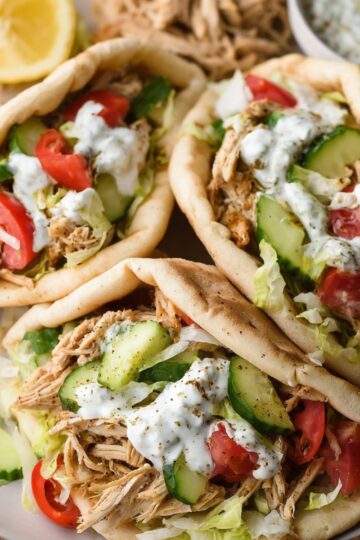
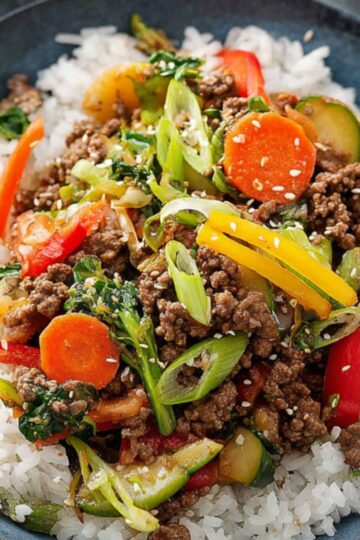
Creamy Mango Sago Dessert
Ingredients
Method
- Bring the water to a full boil in a medium saucepan, then stir in the tapioca pearls.
- Reduce the heat slightly and simmer uncovered, stirring occasionally, until the pearls turn mostly translucent.
- Remove the pot from heat, cover, and let the tapioca rest until fully clear and chewy.
- Drain the pearls through a fine strainer and rinse under cold water to halt cooking and remove excess starch.
- Place the chopped mangoes and condensed milk into a blender and blend until completely smooth.
- Taste the mango puree and adjust sweetness if needed, then set aside.
- Add the cooked tapioca pearls, mango puree, diced mangoes, nata de coco, and coconut milk to a large bowl.
- Stir gently until everything is evenly distributed and creamy.
- Spoon into serving glasses and add ice if serving immediately for an extra-cold treat.

Leave a Reply