
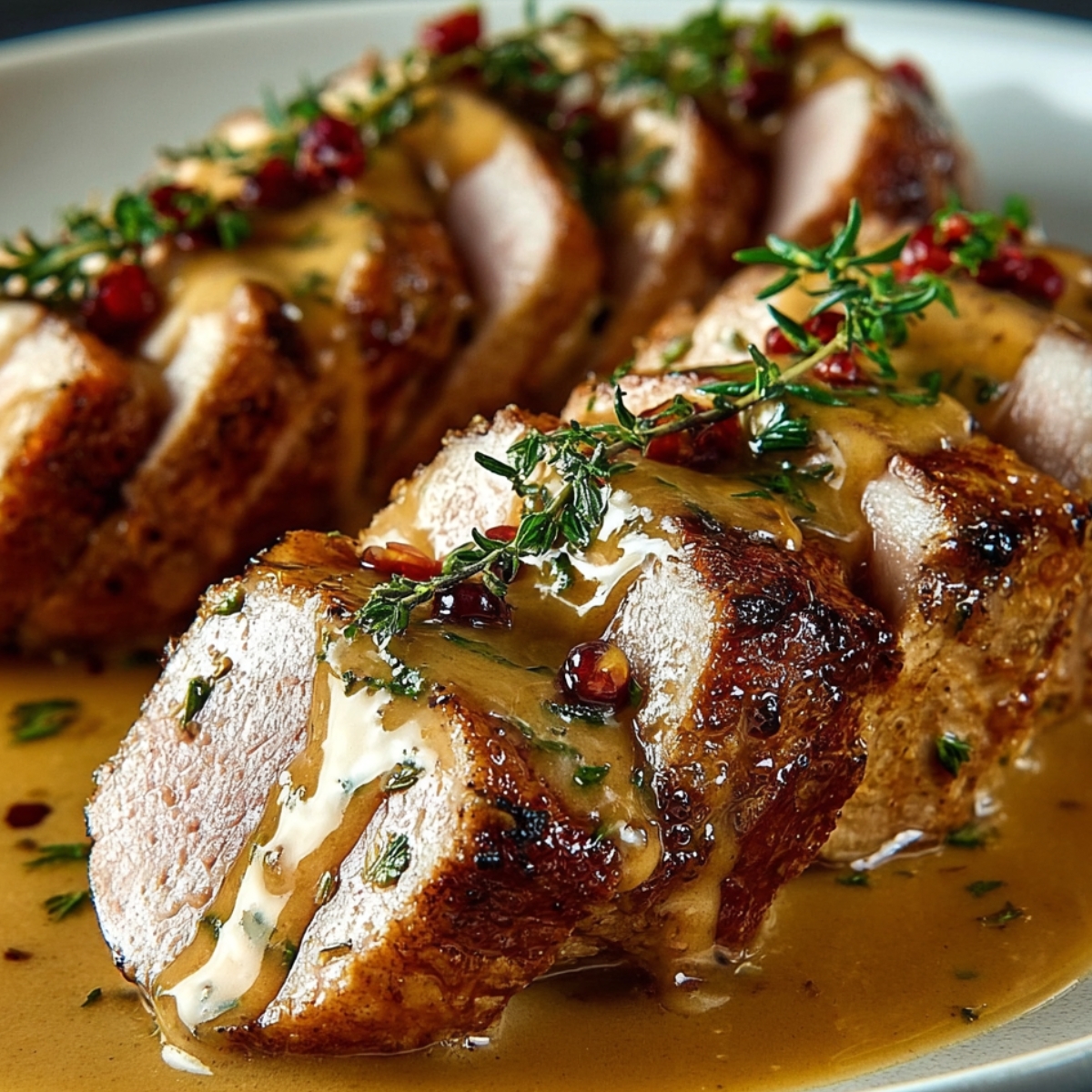
These pork tenderloin recipes have saved me on countless busy weeknights when I need something that looks impressive but doesn't require hours in the kitchen. pork tenderloin recipes cooks in about 25 minutes, stays incredibly juicy when done right, and works with almost any flavor profile you throw at it. After years of testing different methods - oven-roasting, grilling, slow cooker - I've figured out what actually works and what's just extra steps.
Why You'll Love These Pork Tenderloin Recipes
From years of cooking pork tenderloin every possible way - oven-roasted, grilled, slow cooker, you name it - I've learned what actually makes the difference between dry, boring meat and juicy, flavorful dinners. These pork tenderloin recipes cover the methods that work for real families with real schedules. Some take 30 minutes start to finish, others you can throw in the slow cooker before work.
The best part about pork tenderloin? It's lean enough that oliver will eat it without complaining, but it doesn't taste like diet food. One tenderloin feeds our family of three with leftovers for lunch the next day, and it costs less than buying pre-marinated meat at the store. Whether you're new to cooking pork tenderloin recipes or you've been making the same recipe for years and want something different, these tested methods give you options that actually fit into weeknight life.
Jump to:
- Why You'll Love These Pork Tenderloin Recipes
- Ingredients for Pork Tenderloin Recipes
- How To Cook pork tenderloin recipes
- Smart Swaps for Pork Tenderloin Recipes
- pork tenderloin recipes FOR Variations
- Equipment FOR pork tenderloin recipes
- Storing Your Pork Tenderloin
- Why These Pork Tenderloin Recipes Work
- Top Tip
- pork tenderloin recipes That Got Passed Down From My Aunt's Kitchen
- FAQ
- Perfect Pork Tenderloin Every Time!
- Related
- Pairing
- pork tenderloin recipes
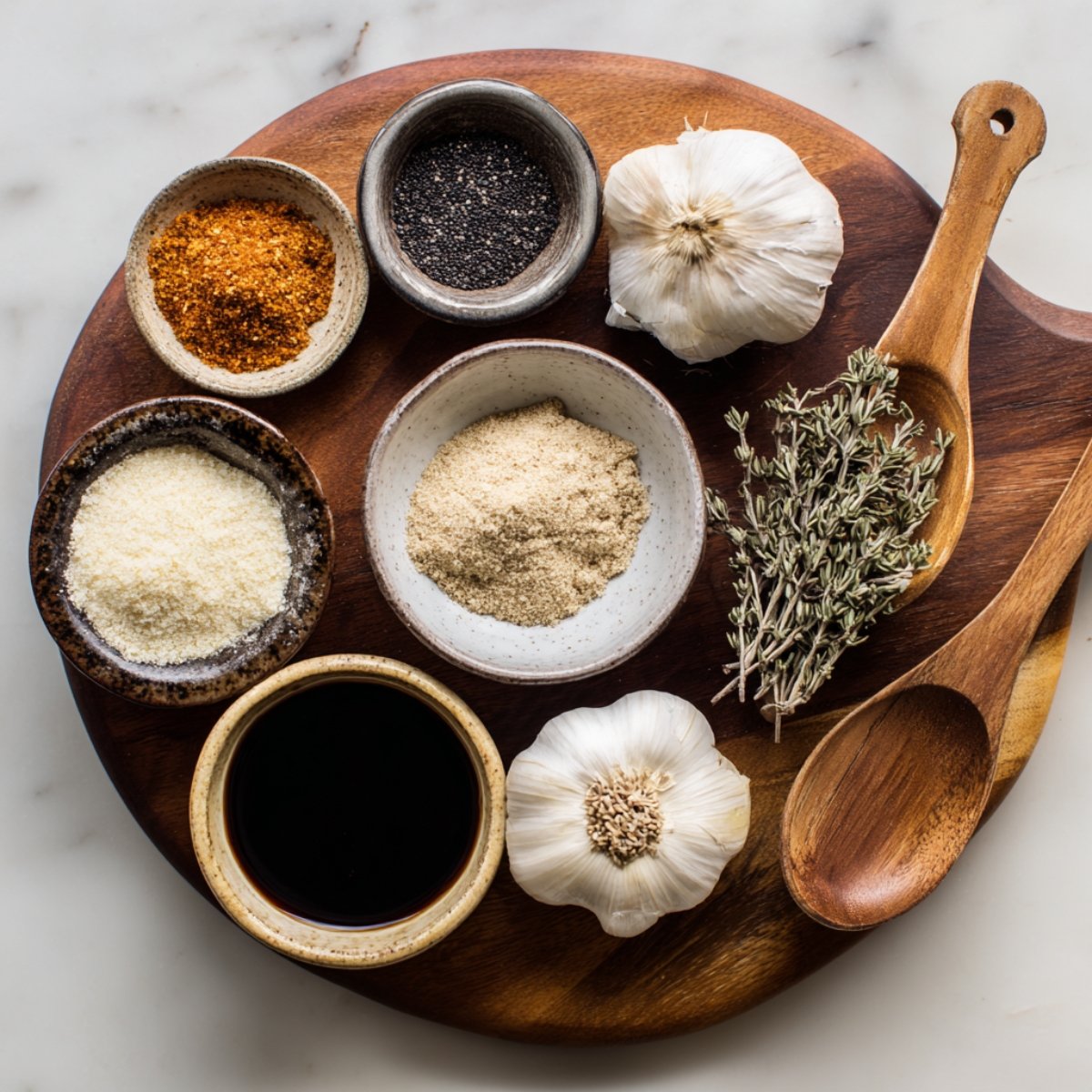
Ingredients for Pork Tenderloin Recipes
Basic Seasoning Blend:
- Salt and black pepper
- Garlic powder
- Onion powder
- Paprika
- Dried thyme or rosemary
Asian-Inspired Marinade:
- Soy sauce
- Fresh ginger
- Garlic cloves
- Brown sugar
- Sesame oil
- Rice vinegar
See recipe card for quantities.
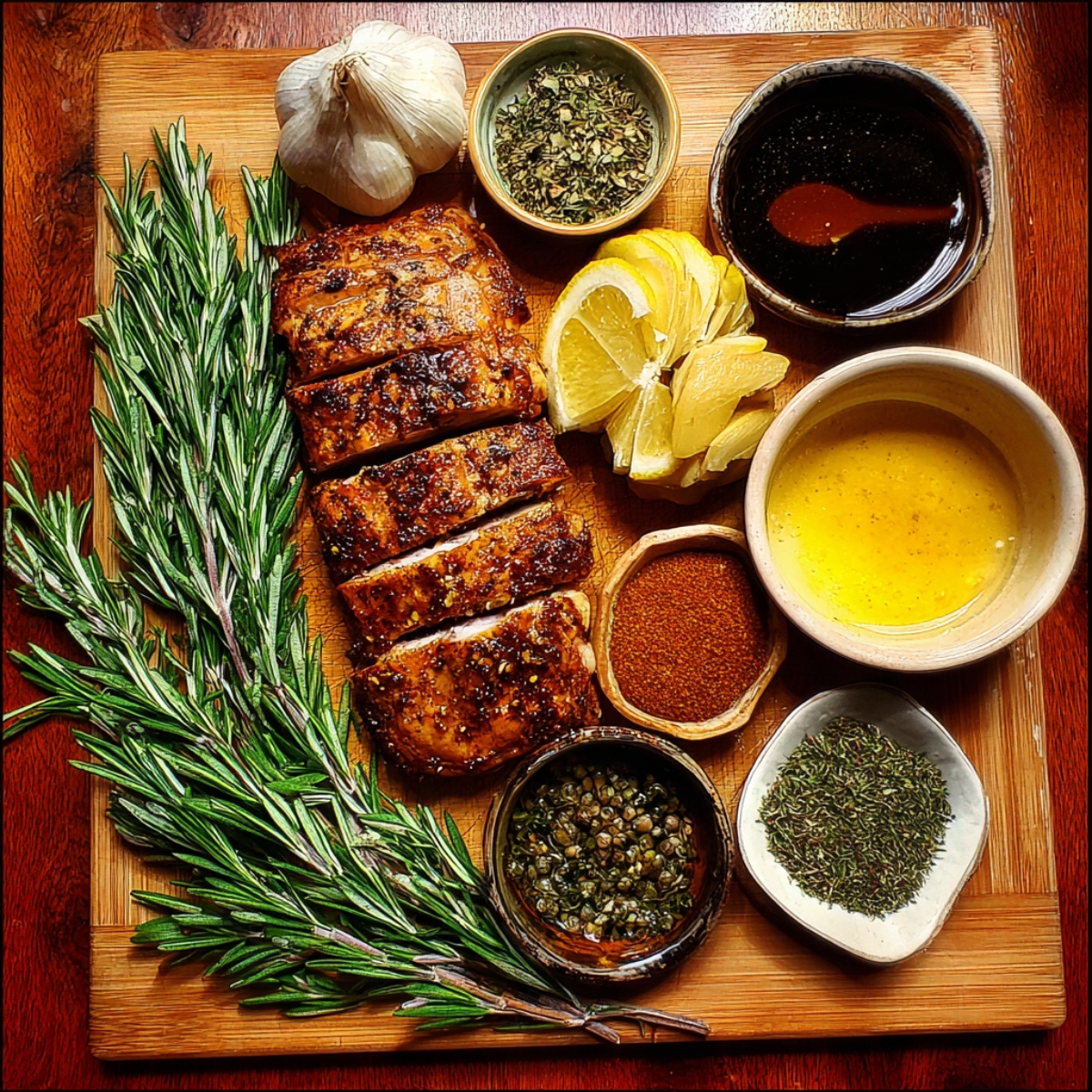
Herb & Garlic Version:
- Fresh rosemary
- Fresh thyme
- Minced garlic
- Olive oil
- Lemon zest
- Dijon mustard
BBQ/Smoky Style:
- Brown sugar
- Smoked paprika
- Chili powder
- Garlic powder
- Apple cider vinegar
- Worcestershire sauce
Honey Mustard Glaze:
- Olive oil
- Dijon mustard
- Honey
- Garlic
- Apple cider vinegar
How To Cook pork tenderloin recipes
Method 1: Oven-Roasted
Prep and Sear:
- Pat tenderloin completely dry
- Season all over generously
- Heat oven-safe skillet over high heat
- Sear 2-3 minutes per side until golden
Roast to Perfection:
- Transfer skillet to 400°F oven
- Roast 15-20 minutes
- Check at 145°F internal temp
- Rest 10 minutes before slicing
Method 2: Slow Cooker
Simple Setup:
- Place tenderloin in slow cooker
- Add marinade or sauce
- Cook on low 4-6 hours
- Shred or slice to serve
Method 3: Grilled
Direct Heat Method:
- Preheat grill to medium-high
- Oil grates well
- Grill 15-20 minutes, turning every 5 minutes
- Aim for 145°F internal temp
Method 4: Instant Pot
Pressure Cook:
- Sear using sauté function
- Add 1 cup liquid
- Pressure cook 12 minutes
- Natural release 10 minutes
Method 5: Pan to Oven
- Restaurant Style:
- Rest before slicing
- Sear in hot skillet 3-4 minutes per side
- Transfer to 425°F oven
Smart Swaps for Pork Tenderloin Recipes
Meat Alternatives:
- Pork tenderloin → Chicken breast
- Standard → Turkey tenderloin
- Regular → Beef tenderloin
Marinade Bases:
- Soy sauce → Coconut aminos
- Regular → Tamari
- Balsamic → Red wine vinegar
- Honey → Maple syrup or brown sugar
Oil Swaps:
- Olive oil → Avocado oil
- Vegetable → Canola or grapeseed
- Sesame → Any neutral oil
Herb Substitutions:
- Fresh rosemary → Dried
- Fresh thyme → Dried thyme
- Fresh ginger → Ground ginger
- Fresh garlic → Garlic powder
For Slow Cooker:
- Fresh → Frozen
- Tenderloin → Pork shoulde
pork tenderloin recipes FOR Variations
Stuffed Versions:
Apple & Sage:
- Butterfly tenderloin open
- Fill with sautéed apples and fresh sage
- Tie with kitchen twine
- Roast as usual
Spinach & Feta:
- Slice pocket lengthwise
- Stuff with spinach, feta, sun-dried tomatoes
- Secure with toothpicks
- Bake until done
Glazed Styles:
Maple Dijon:
- Brush with maple-mustard mixture
- Apply glaze last 10 minutes of cooking
- Caramelizes beautifully
- Sweet and tangy
Apricot Balsamic:
- Apricot preserves base
- Balsamic reduction
- Garlic and rosemary
- Glaze while roasting
Regional Flavors:
Cuban Mojo:
- Citrus marinade
- Tons of garlic
- Cumin and oregano
- Grill or roast
BBQ Rubbed:
- Dry spice rub
- Low and slow cooking
- Brush with BBQ sauce at end
- Perfect for slicing thin
Equipment FOR pork tenderloin recipes
- Meat thermometer
- Large oven-safe skillet
- Sharp chef's knife
- Cutting board
- Kitchen twine
Storing Your Pork Tenderloin
Cooked Tenderloin :
- Cool completely before storing
- Slice or keep whole
- Airtight container in fridge
- Reheat gently to avoid drying
Freezer Storage :
- Wrap tightly in plastic wrap
- Then in foil or freezer bag
- Label with date and marinade used
- Thaw overnight in fridge
Raw Marinated:
- Keep in marinade in fridge
- Don't marinate longer than 24 hours
- Cook within 2 days of marinating
- Discard used marinade
Reheating Tips:
- Add to stir-fries or salads
- Oven at 325°F covered with foil
- Microwave with damp paper towel over it
- Slice thin for sandwiches
Why These Pork Tenderloin Recipes Work
pork tenderloin recipes succeeds because of basic cooking principles, not magic. The cut is naturally lean and uniform in shape, which means it cooks evenly when you use proper heat. High-heat searing creates a flavorful crust through the Maillard reaction - that's when proteins and sugars on the meat's surface brown and develop complex flavors. The quick oven finish cooks the interior without drying it out.
The 145°F target temperature matters because pork's muscle fibers start squeezing out moisture around 150-155°F. Pull it at 145°F (it'll rise a few degrees while resting), and you keep those juices trapped inside. This is why older recipes that cooked pork to 160°F or higher resulted in dry, tough meat - the USDA changed their recommendation in 2011 based on research showing 145°F is both safe and produces better results.
Marinating works for two reasons: acids (like vinegar or citrus) partially break down surface proteins, making them more tender, while salt penetrates the meat and helps it retain moisture during cooking. But there's a limit - more than 24 hours and those acids turn the exterior mushy. The flavor paste method Dad used works because salt draws moisture out, then that salty liquid gets reabsorbed, carrying flavors with it. It's called dry brining, and it's why his pork tenderloin recipes always tasted seasoned throughout, not just on the outside.
Top Tip
- My dad wasn't much of a cook during the week, but Saturday nights were his domain. He'd make pork tenderloin recipes with this technique he learned from a butcher friend, and it turned out perfect every single time. Instead of marinating the meat, he'd make what he called a "flavor paste" - minced garlic, fresh herbs, olive oil, and coarse salt mashed together with the back of a spoon until it became this thick paste.
- He'd rub that paste all over the tenderloin about 30 minutes before cooking, just letting it sit on the counter. The salt would start pulling moisture to the surface, then that moisture would dissolve the salt and carry all those flavors back into the meat. When it hit the hot pan, that paste would form this incredible crust - not breading, just concentrated flavor that stuck to every slice.
- The other thing he taught me was to always slice pork tenderloin recipes on a slight diagonal, not straight across. Those angled slices look bigger on the plate (which matters when you're feeding a seven-year-old who judges dinner by volume), and they show off that perfect pink center better. Now when I make these pork tenderloin recipes, oliver asks if we're doing "Grandpa's fancy meat," and I show him how to make the paste. His version has about three times as much garlic as necessary, but that's part of the fun.
pork tenderloin recipes That Got Passed Down From My Aunt's Kitchen
My Aunt Patricia wasn't a chef or a cooking teacher - she worked in accounting and mostly ate takeout during the week. But when she hosted Sunday dinners, her pork tenderloin was the thing everyone talked about for days after. When I finally asked her to teach me, she pulled out a crumpled index card with notes in three different handwritings spanning what looked like decades.
Turns out the recipe started with her mother-in-law in the 1970s, got modified by her sister in the 90s, and Aunt Patricia added her own twist in the early 2000s. The base was simple - soy sauce, brown sugar, garlic, and ginger - but the secret was in the proportions and timing. She'd marinate the meat for exactly 3 hours (her mother-in-law's rule), then pour off half the marinade and reduce it in a pan until it became thick and glossy (her sister's addition). Her own contribution? Adding a tablespoon of butter to that reduced sauce right at the end.
That butter addition changed everything. The sauce went from being good to having this rich, restaurant-quality glaze that clung to every slice. She'd brush it on the just-cooked tenderloin, let it rest, then brush on more before slicing. "It's not traditional," she'd say, "but neither is using three generations of cooks to perfect one recipe." Now when I make these pork tenderloin recipes, I use her exact timing and that butter trick. The card sits in my recipe box with my own notes added in the margin, ready for oliver to inherit someday.
FAQ
What's the best way to cook pork tenderloin?
Oven-roasting is the most reliable method - sear it in a hot skillet for 2-3 minutes per side, then roast at 400°F for 15-20 minutes until it reaches 145°F internal temperature. This gives you a caramelized crust and juicy interior with minimal effort.
How does Gordon Ramsay cook a pork tenderloin?
Gordon Ramsay uses a pan-sear then oven method: he seasons generously, sears in a screaming hot pan with oil, then finishes in a 400°F oven. He also emphasizes resting the meat for 10 minutes before slicing to retain juices.
What is the 3 2 1 method for pork tenderloin?
The 3-2-1 method refers to smoking ribs, not tenderloin. For pork tenderloin, the key numbers are: sear 3-4 minutes per side, roast 15-20 minutes, rest 10 minutes. Always cook to 145°F internal temperature for safe, juicy results.
What dishes can you make with pork tenderloin?
These pork tenderloin recipes work for stir-fries, tacos, salads, sandwiches, and main dishes with sides. Slice it thin for Asian-style dishes, cube it for kebabs, or serve whole slices with roasted vegetables and potatoes for a classic dinner plate.
Perfect Pork Tenderloin Every Time!
Now you have five different cooking methods, multiple marinades, and Dad's flavor paste technique for these pork tenderloin recipes. Whether you're rushing through a weeknight or have time for slow cooker magic, you've got options that actually work for real family dinners.
Craving more easy protein dishes? Try our Baked Chicken Breast Recipe that's just as simple and versatile. For beef lovers, our Beef Tenderloin Recipe uses similar techniques with different timing. Want more pork options? Our Pork Chop Recipes deliver quick dinners, or go slow with our Pulled Pork Recipe that feeds a crowd!
Share your pork tenderloin success! . We love seeing which marinade becomes your family's favorite!
Rate this recipe and join our dinner-solving community!
Related
Looking for other recipes like this? Try these:

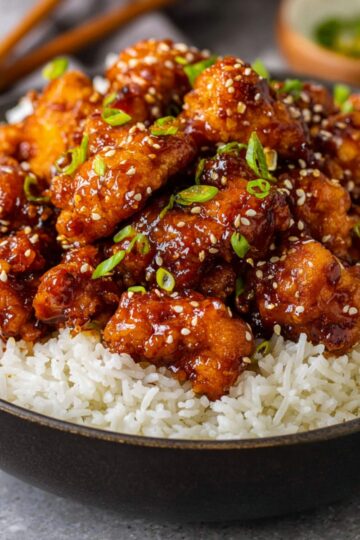

Pairing
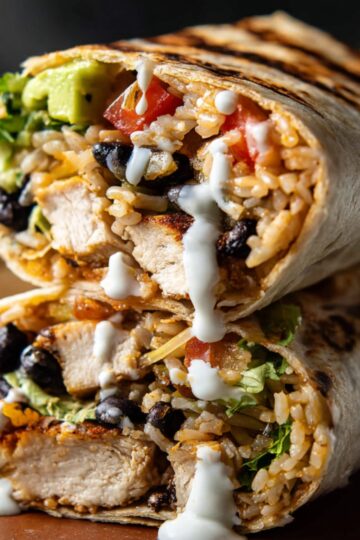
These are my favorite dishes to serve with pork tenderloin recipes
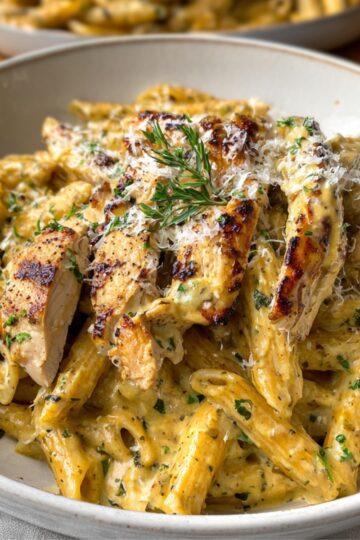

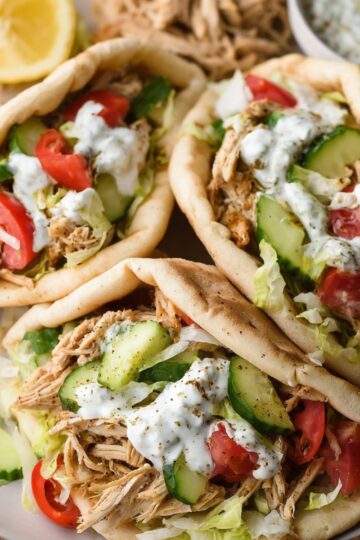
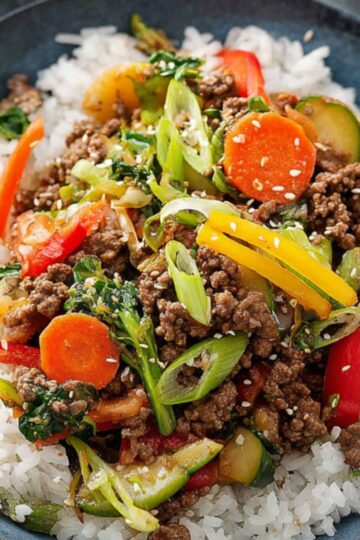
pork tenderloin recipes
Ingredients
Equipment
Method
- Pat the pork tenderloin dry and prepare your ingredients for seasoning.
- Apply salt, pepper, and chosen spices or marinades evenly over the meat.
- Heat skillet and sear the pork on all sides until a golden-brown crust forms.
- Transfer skillet to the oven and roast until internal temperature reaches 145°F.

Leave a Reply