
This cabbage recipe has become our weeknight lifesaver after years of testing quick vegetable dishes. After cooking countless batches of sautéed cabbage recipe and learning techniques from chef friends, I've perfected a method that transforms simple cabbage recipe into something Oliver actually asks for at dinner. The secret isn't fancy ingredients - it's understanding how high heat and proper timing create those caramelized edges while keeping the cabbage tender-crisp.
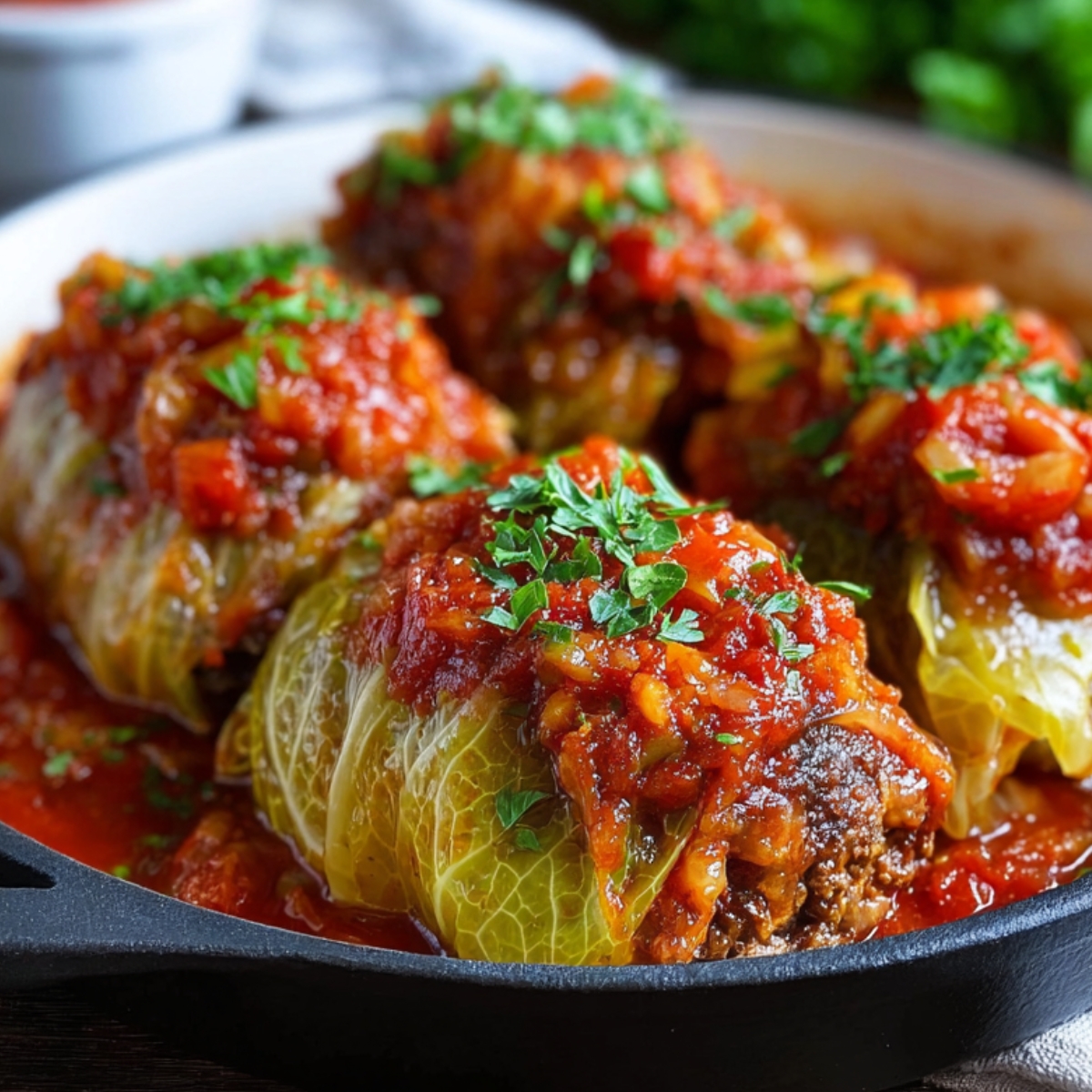
Why You'll Love This Chinese Cabbage Recipe
Back making this every week for years and serving it to skeptical vegetable-avoiders, I've watched it convert even the pickiest eaters. This best sautéed cabbage recipe delivers restaurant-quality flavor in less time than it takes to order takeout. The cabbage develops sweet, caramelized notes from high heat while staying crisp and fresh-tasting.
Oliver loves helping tear the cabbage leaves during our weeknight cooking sessions, and the whole dish comes together in one pan with minimal cleanup. What makes this cabbage stir-fry truly special is its versatility - serve it as a side dish, toss it with noodles, or pile it over rice for a complete meal. The garlic-ginger combination creates an addictive flavor that works with any protein, and leftovers taste even better the next day.
Jump to:
- Why You'll Love This Chinese Cabbage Recipe
- Ingredients for Chinese Cabbage
- How To Make Chinese Cabbage Step By Step
- Smart Swaps for Chinese Cabbage
- cabbage recipe for Variations
- Equipment for cabbage recipe
- Storing Your Chinese Cabbage
- Why This Recipe Works
- Top Tip
- The Recipe That Got Passed Down From My Aunt's Kitchen
- FAQ
- Time to Cook Up Something Simple!
- Related
- Pairing
- cabbage recipe
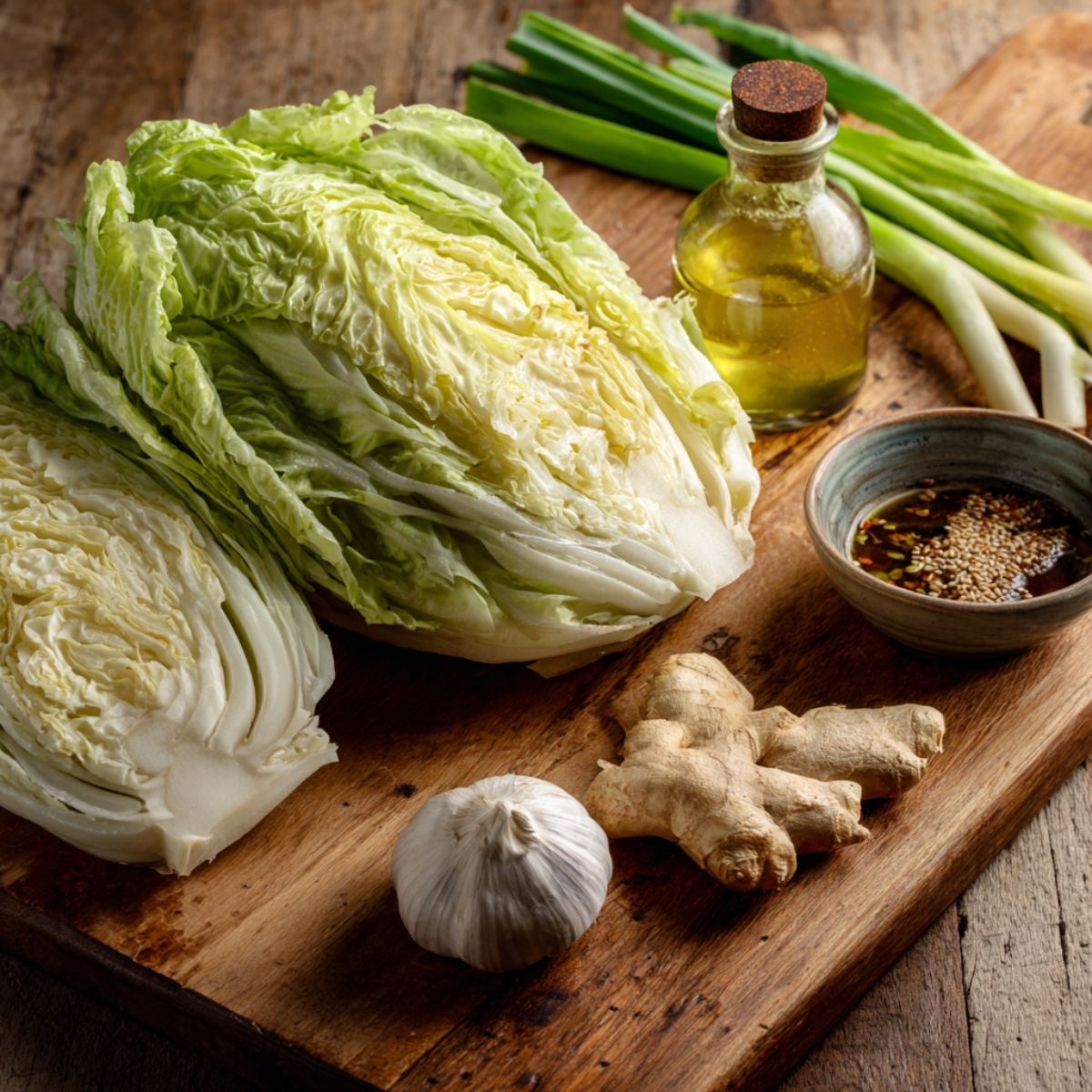
Ingredients for Chinese Cabbage
The Cabbage Base:
- Napa cabbage or regular green cabbage
- Vegetable oil or sesame oil
- Fresh garlic cloves
- Fresh ginger root
- Green onions
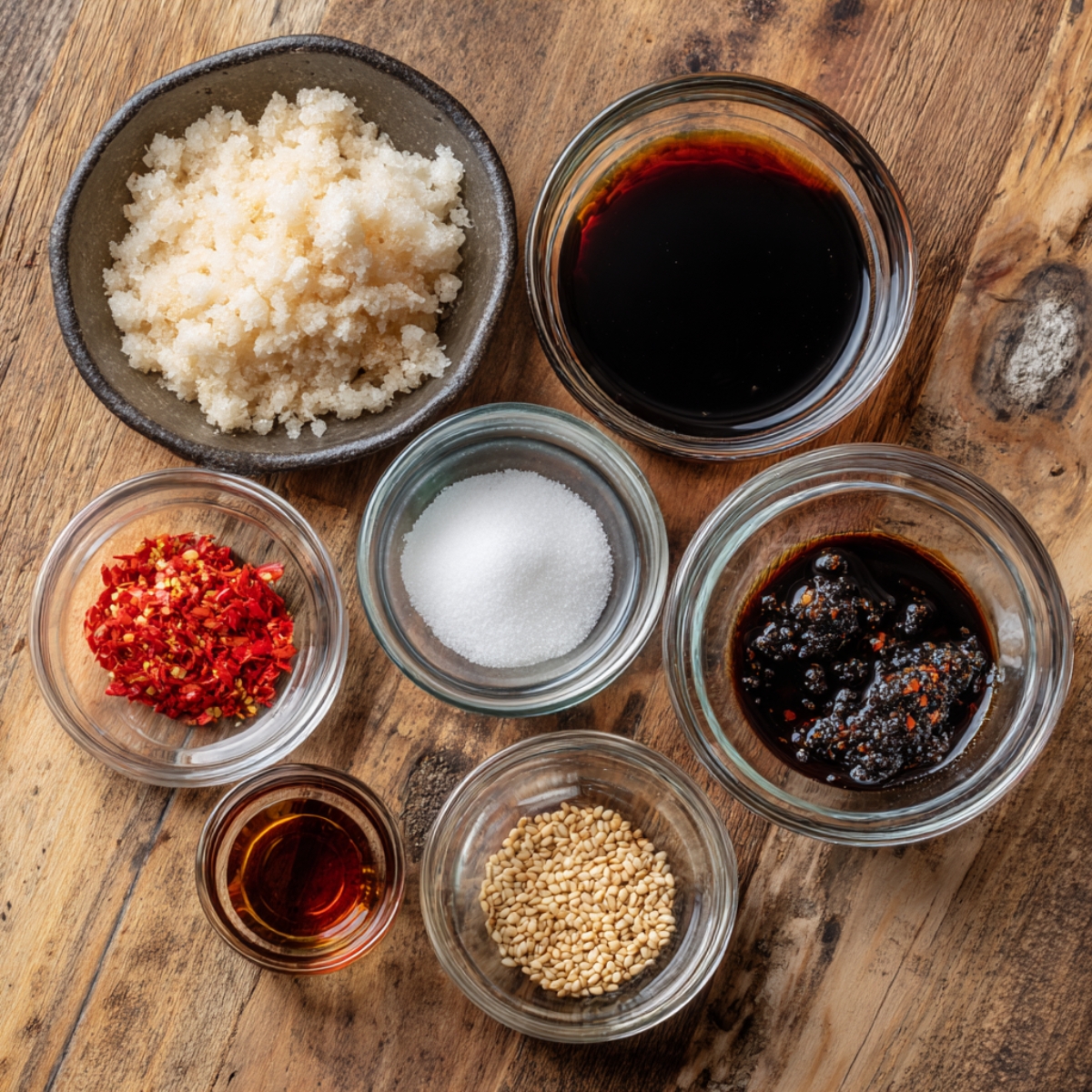
The Flavor Builders:
- Soy sauce
- Rice vinegar
- Sugar
- Red pepper flakes
- Sesame seeds for garnish
See recipe card for quantities.
How To Make Chinese Cabbage Step By Step
The Stir-Fry Method:
- Heat wok or large skillet over high heat
- Add oil and swirl to coat
- Toss in garlic, ginger, and white parts of green onions
- Stir for 30 seconds until fragrant
- Add cabbage in batches if needed
Cook to Perfection:
- Stir constantly for 3-4 minutes
- Cabbage should wilt but stay crisp
- Add soy sauce and rice vinegar
- Toss quickly to coat evenly
- Sprinkle with sugar and red pepper flakes
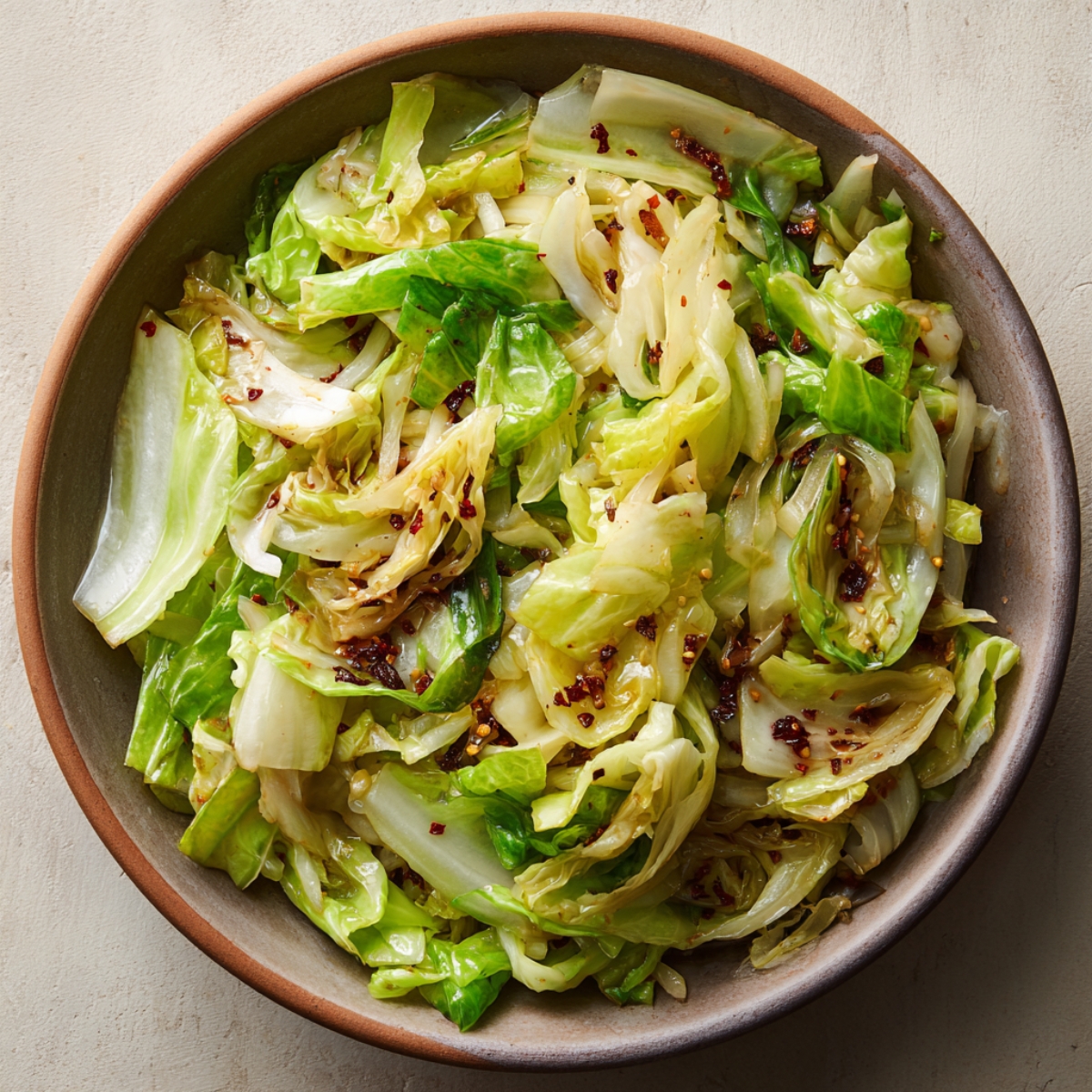
Finish and Serve:
- Serve hot as a side or over rice
- Remove from heat immediately
- Garnish with green onions and sesame seeds
Smart Swaps for Chinese Cabbage
Cabbage Options:
- Napa cabbage → Regular green cabbage
- Fresh → Pre-shredded coleslaw mix
Oil Choices:
- Vegetable oil → Peanut oil
- Regular → Toasted sesame oil
- Standard → Avocado oil for high heat
Sauce Alternatives:
- Soy sauce → Tamari
- Regular → Coconut aminos
- Rice vinegar → Apple cider vinegar
Flavor Adjustments:
Sugar → Honey or maple syrup
Fresh ginger → Ground ginger
Garlic cloves → Garlic powder
cabbage recipe for Variations
Spicy Sichuan Style:
- Add Sichuan peppercorns
- Extra chili oil
- Doubanjiang
- Cilantro garnish
Sweet and Tangy:
- Apple cider vinegar
- Brown sugar
- Caraway seeds
- Touch of butter finish
Garlic Lover's Dream:
- Triple the garlic
- Add garlic chips on top
- Garlic chili oil drizzle
- Fresh garlic scapes when available
Bacon and Cabbage:
- Crispy bacon pieces
- Use bacon fat for cooking
- Onions instead of green onions
- Black pepper finish
Equipment for cabbage recipe
- Large wok or 12-inch skillet
- Sharp chef's knife
- Cutting board
- Wooden spoon or spatula
- Small prep bowls
Storing Your Chinese Cabbage
Short-Term Storage (3-4 days):
- Cool completely before storing
- Airtight container in fridge
- Store separately from rice
- Reheat in hot skillet
Reheating Tips:
- High heat in wok or skillet
- Add splash of water if dry
- Stir constantly for 2 minutes
- Taste and adjust seasonings
Make-Ahead Notes:
- Cook fresh for best texture
- Prep ingredients the night before
- Store cut cabbage in sealed container
- Keep sauces mixed in small jar
Why This Recipe Works
Back years of making stir-fried vegetables and understanding what separates soggy from perfect, I've figured out exactly why this cabbage recipe delivers consistent results. High heat is the game-changer - when cabbage recipe hits a screaming hot wok, the outside caramelizes before the inside has time to release too much water. This creates that sweet, nutty flavor while maintaining crunch.
The garlic and ginger aren't just for flavor - they're aromatics that need those 30 seconds of high heat to release their essential oils without burning. Adding them first creates a fragrant base that coats every piece of cabbage. The quick splash of soy sauce and vinegar at the end deglazes the pan, picking up all those browned bits and creating an instant sauce.
What makes this Chinese cabbage recipe foolproof is the cooking time. Three to four minutes is the sweet spot where cabbage wilts enough to be tender but hasn't turned to mush. Overcrowd the pan and you'll steam instead of sauté. Work in batches if needed - that sizzle when cabbage hits the pan means you're doing it right. The vegetables should still have some bite when you take them off the heat, because carryover cooking finishes them perfectly while you're plating.
Top Tip
- I tried explaining that overcooked cabbage gets mushy and loses its crunch. But he was so persistent that I finally let him keep a small portion in the wok longer - way longer than I normally would. Those pieces turned almost golden at the edges, and I was certain we'd ruined them.
- Wrong. Those deeply caramelized pieces were incredible - sweet, nutty, and still had a slight bite to them. Turns out my "perfect" timing was actually playing it too safe. Now we cook the cabbage in two stages: most of it gets the quick stir-fry treatment, but we leave about a quarter of it in the pan an extra two minutes to get those dark, caramelized edges. Then we toss everything together.
The Recipe That Got Passed Down From My Aunt's Kitchen
My Aunt taught me this cabbage recipe during a summer I spent helping in her restaurant kitchen years ago. She'd immigrated from Taiwan in the 1980s and brought this simple stir-fry method with her - something her own mother had taught her as a girl. What struck me most wasn't the ingredients, which were basic, but her absolute insistence on getting the wok "angry hot" before anything went in.
"Cold wok, sad cabbage," she'd say in her mix of Mandarin and English, testing the heat by flicking water droplets that should dance and evaporate instantly. She'd laugh at how Americans baby their vegetables, cooking them gently when they needed that blast of fire. Her other rule was movement - the spatula never stopped. She taught me to use my wrist, not my whole arm, creating a rhythm that kept everything in constant motion without exhausting yourself.
But her real secret was something she called "wok breath" - that slightly smoky, charred flavor you only get from cooking over incredibly high heat. Years later, making this Taiwanese cabbage recipe in my own kitchen, I finally understood what she meant. It's not about following a recipe perfectly - it's about understanding heat, movement, and knowing when to pull the vegetables just before you think they're done. Those lessons from her busy kitchen taught me that great cooking is as much about confidence and timing as it is about ingredients.
FAQ
What is the most delicious way to eat cabbage?
Sautéing cabbage with garlic and ginger creates incredible flavor through caramelization. High heat transforms this humble vegetable into something sweet and nutty. This Chinese cabbage recipe balances crispy edges with tender centers, making it far more delicious than boiled or steamed versions. The key is quick cooking that develops flavor without mushiness.
How does Jamie Oliver cook cabbage?
Jamie Oliver typically shreds cabbage and quickly stir-fries it with butter, garlic, and a splash of vinegar. He emphasizes high heat and constant movement to keep vegetables vibrant. His approach focuses on simplicity - letting quality ingredients shine with minimal fuss. This cabbage recipe follows similar principles using Asian flavors instead of European ones.
Why do you put vinegar in cabbage when boiling it?
Vinegar helps cabbage retain its bright color during cooking and cuts through its natural sweetness. The acid also tenderizes tough fibers and reduces that sulfurous smell cabbage can develop. In this sautéed cabbage recipe, rice vinegar adds tanginess without the harsh bite of white vinegar, creating better flavor balance.
How long must I boil cabbage?
Traditional boiled cabbage takes 5-10 minutes depending on cut size, but this cabbage stir-fry method is faster and tastier. Stir-frying takes only 3-4 minutes over high heat, preserving nutrients and creating better texture. Boiling often makes cabbage mushy and bland, while quick stir-frying keeps it crisp and flavorful.
Time to Cook Up Something Simple!
Now you have all the secrets to perfect Chinese cabbage - from high-heat technique to Oliver's two-stage caramelization trick. This quick vegetable dish proves that healthy eating doesn't mean boring food when you understand simple cooking methods.
Craving more quick vegetable sides? Try our Easy Stir-Fried Green Beans that come together in 10 minutes. Want another Asian-inspired dish? Our Garlic Bok Choy Recipe delivers restaurant flavor at home. Need a complete meal? Pair this cabbage with our Simple Fried Rice Recipe for a satisfying dinner!
Share your cabbage success! . We love seeing your weeknight creations!
Rate this recipe and join our cooking community!
Related
Looking for other recipes like this? Try these:
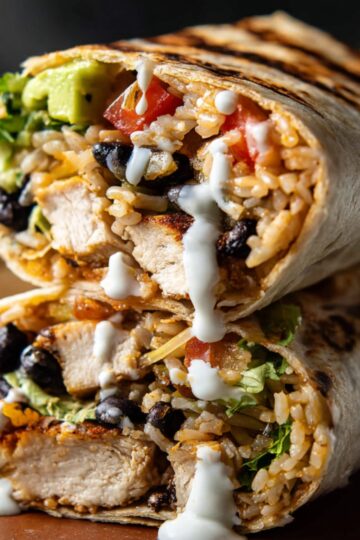

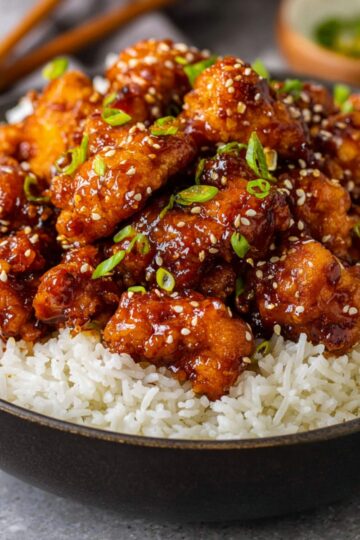

Pairing
These are my favorite dishes to serve with cabbage recipe
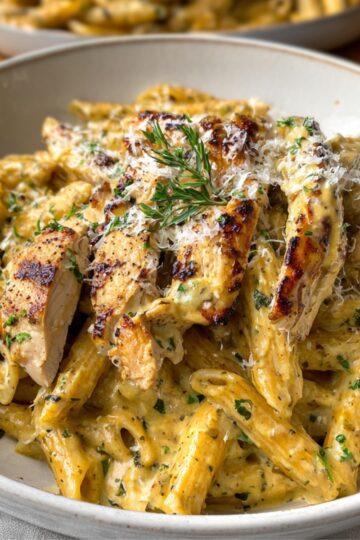
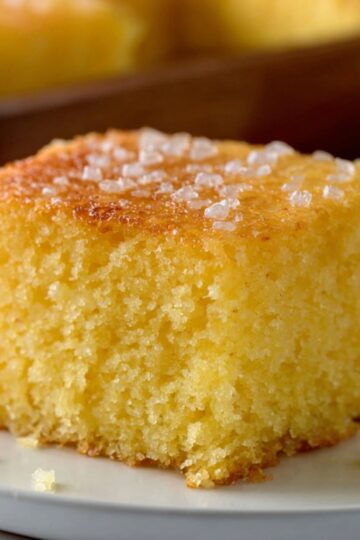

cabbage recipe
Ingredients
Equipment
Method
- Preheat the wok or skillet to high heat.
- Sauté garlic, ginger, and onions until fragrant.
- Add cabbage in batches and stir-fry.
- Add soy sauce, rice vinegar, and toss well.


Leave a Reply