
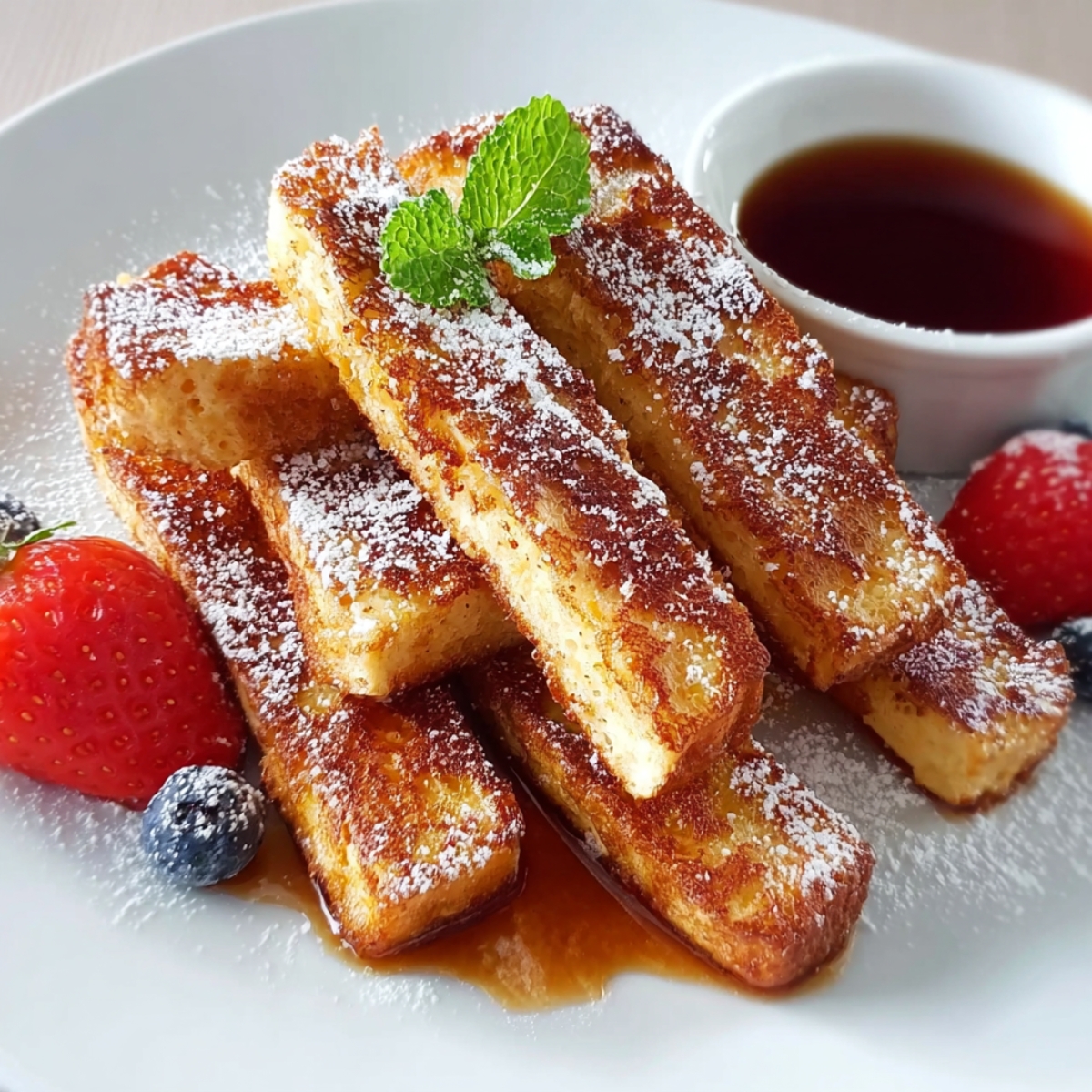
This French toast recipe has saved countless weekend mornings when oliver wants something special but I'm too tired for anything complicated. Using just eggs, milk, bread, and cinnamon, you can make restaurant-quality French toast recipe in about 15 minutes. The key is getting that perfect balance - crispy, caramelized edges on the outside with a soft, custard-like center that's cooked through but not rubbery.
Why You'll Love This French Toast Recipe
This french toast recipe solves the biggest problem most people have - soggy centers or burnt edges. After making breakfast for oliver and his sleepover friends more times than I can count, I've figured out the exact egg-to-milk ratio and the right pan temperature that gives you golden-crispy outside with a perfectly cooked, custardy inside. oliver can actually make this himself now (with supervision), which tells you how straightforward it really is.
The best part? You probably have everything you need already - eggs, milk, bread, and cinnamon. No fancy ingredients, no complicated techniques. This simple french toast recipe takes maybe 10 minutes from start to finish, and you can easily scale it up or down depending on how many people you're feeding. Whether it's a lazy Sunday morning or you need to get everyone fed before school, this works every single time without stress.
Jump to:
- Why You'll Love This French Toast Recipe
- Ingredients for French toast recipe
- How To Make French Toast Step By Step
- Smart Swaps for French Toast Recipe
- French toast recipe for Variations
- Equipment for French toast recipe
- Storing Your French toast recipe
- Why French toast recipe Works
- Top Tip
- French toast recipe That Got Passed Down From My Aunt's Kitchen
- FAQ
- Time to Make Breakfast Amazing!
- Related
- Pairing
- French toast recipe
Ingredients for French toast recipe
The Egg Mixture:
- Large eggs
- Milk
- Ground cinnamon
- Vanilla extract
- Pinch of salt
- Sugar
The Bread:
- Thick-sliced bread
- Brioche, challah, or Texas toast
- Regular sandwich bread works too
See recipe card for quantities.
For Cooking:
- Butter for the pan
- Neutral oil
Toppings:
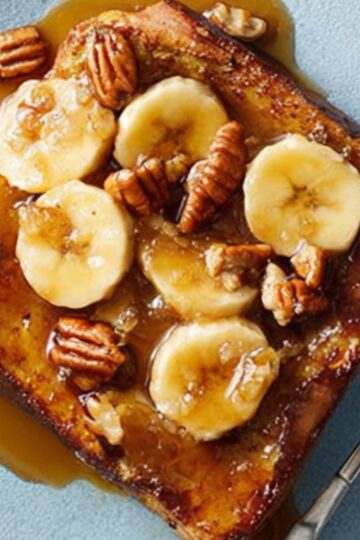
- Sliced bananas
- Maple syrup
- Powdered sugar
- Fresh berries
- Whipped cream
How To Make French Toast Step By Step
Prep Your Station:
- Heat skillet over medium heat
- Add butter and small splash of oil
- Get your bread slices ready
- Set up a plate for finished toast
Make the Egg Mixture:
- Crack eggs into shallow bowl
- Add milk, cinnamon, vanilla, pinch salt
- Whisk until completely combined
- No streaks of egg white showing
The Dipping Process:
- Dip bread slice in egg mixture
- Let soak 20-30 seconds per side
- Don't oversoak - bread should be coated but not falling apart
- Gently shake off excess
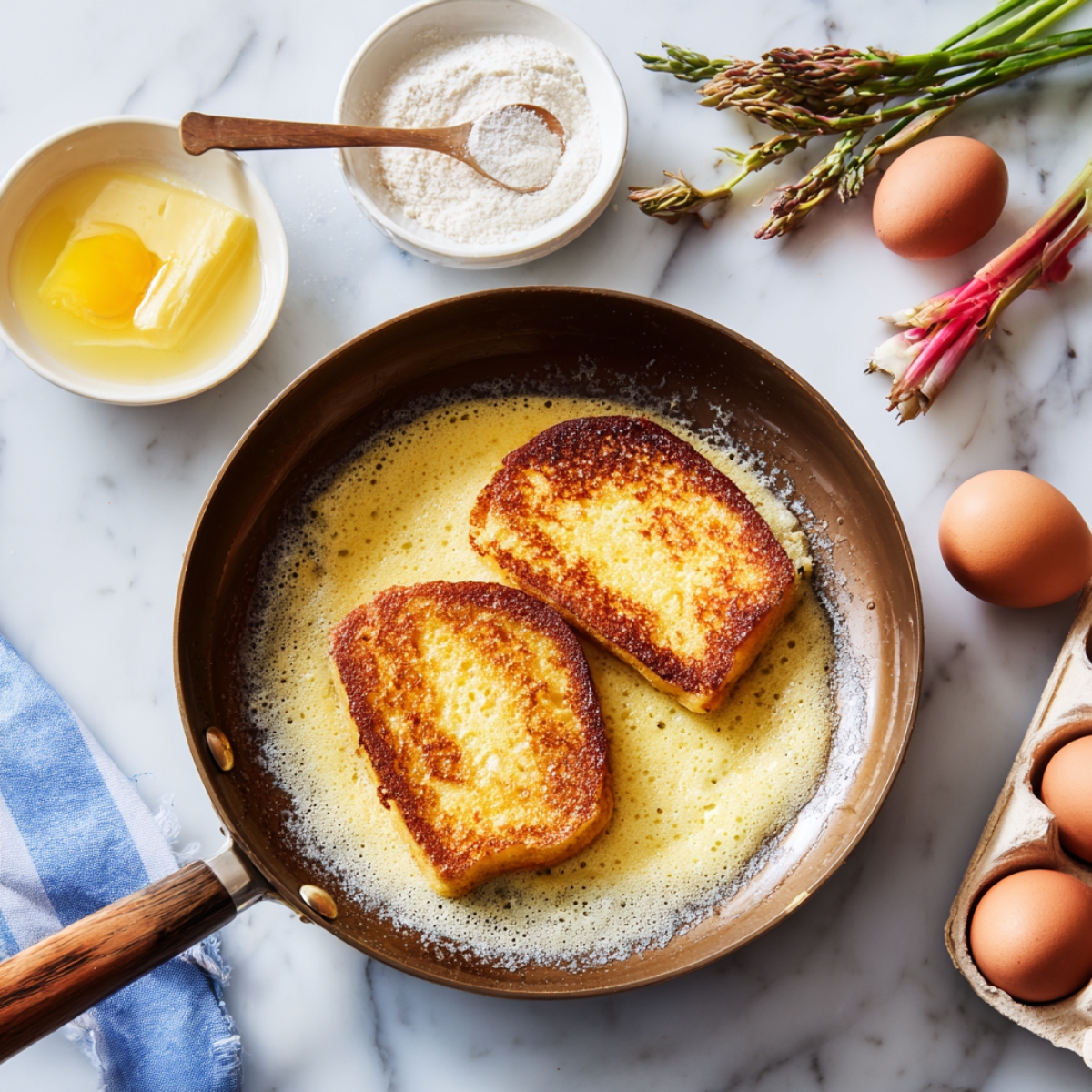
Cook It Right:
- Place in hot buttered pan
- Cook 2-3 minutes first side
- Watch for golden-brown edges
- Flip once, cook 2-3 minutes more
- Both sides should be golden and crispy
Serve Immediately:
- Transfer to plate
- Add toppings while hot
- Repeat with remaining slices
- Add more butter to pan as needed
Smart Swaps for French Toast Recipe
Milk Alternatives:
- Whole milk → 2% or skim
- Dairy milk → Almond milk, oat milk, or soy milk
- Regular → Heavy cream
- Standard → Half-and-half
Bread Options:
- White bread → Whole wheat or multigrain
- Fresh → Day-old
- Sliced → French bread cut thick
- Regular → Gluten-free bread
Egg Swaps:
- Whole eggs → Just egg whites
- Regular → Flax eggs for vegan
- Standard → Add extra egg for thicker coating
Sweetener Changes:
- White → Brown sugar
- Sugar → Honey or maple syrup in mixture
- Regular → Skip entirely if topping with syrup
French toast recipe for Variations
Cinnamon Sugar:
- Mix cinnamon and sugar
- Sprinkle on hot toast right off the pan
- Butter melts into the coating
- Crispy, sweet crust forms
Stuffed French Toast:
- Spread cream cheese or Nutella between two slices
- Press edges to seal
- Dip and cook as normal
- Cut diagonally to show filling
Berry Compote:
- Warm berries with touch of sugar
- Mash slightly while heating
- Spoon over finished toast
- Skip the syrup
Savory Version:
- Skip sugar and cinnamon
- Add black pepper and garlic powder
- Top with fried egg and cheese
- oliver was skeptical but loved it
Equipment for French toast recipe
- Large non-stick skillet or griddle
- Shallow bowl or pie dish
- Whisk or fork
- Flat spatula
- Plate for finished toast
Storing Your French toast recipe
Counter (2 hours max):
- Keep on plate loosely covered
- Room temperature only
- Reheats okay but loses crispness
- Best for eating soon
Refrigerator (2-3 days):
- Cool completely first
- Stack with parchment between slices
- Store in airtight container
- Reheat in toaster or oven
Freezer (1-2 months):
- Cool completely
- Wrap individually in foil
- Place in freezer bag
- Toast from frozen
Reheating Tips:
- Can't restore original crispness completely
- Toaster or toaster oven works best
- Oven at 350°F for 5-10 minutes
- Microwave makes it soggy
Why French toast recipe Works
French toast recipe works because of a simple chemical reaction - eggs are proteins that coagulate when heated, essentially creating a custard coating around the bread. The milk adds moisture and helps the eggs spread evenly, while also making the mixture thin enough to soak into the bread's air pockets. When you cook it, the proteins set and create that golden crust on the outside while staying soft inside.
The ratio matters because too much egg makes it taste like scrambled eggs on bread, while too much milk makes it soggy and won't set properly. The 2 eggs to ¼ cup milk ratio gives you enough protein to create structure but enough liquid to actually soak through the bread. Medium heat is critical because eggs cook at around 160°F - go too hot and they overcook and get rubbery before the bread toasts, go too low and the bread just absorbs oil without developing color.
Day-old bread works better than fresh because it's slightly dried out, which means it has room to absorb the egg mixture without getting waterlogged and falling apart. Fresh bread has too much moisture already and either won't absorb enough egg or will get soggy. The butter and oil combination solves a practical problem - butter tastes good but burns at the exact temperature you need for proper browning. A tiny bit of oil raises the smoke point just enough to get that golden crust without burnt butter flavor.
Top Tip
- My mom worked as a weekend breakfast cook at a small diner when I was growing up, and she had this one trick that made their French toast recipe better than anywhere else in town. Instead of just whisking the eggs and milk together, she'd let the mixture sit for about 5 minutes after mixing. She said it gave the cinnamon time to "bloom" and the vanilla to really distribute evenly through the eggs. Sounds like nothing, but you could taste the difference - every bite had that warm spice flavor instead of random cinnamon clumps.
- Her other secret was about the bread temperature. Most people dip cold bread straight from the bag, but she'd leave the slices out on the counter for 30 minutes before making French toast. Room temperature bread absorbs the egg mixture more evenly than cold bread, which means you don't get those weird dry spots that never soaked through. She'd prep the bread while drinking her first coffee, then make the French toast recipe when everyone was ready to eat.
- The last thing she taught me - and this changed everything - was to cook French toast in a mix of butter and a tiny bit of vegetable oil. Butter alone burns too easily at the temperature you need for a good crust, but oil alone doesn't taste like anything. Together, you get that rich butter flavor with a higher smoke point that lets you get the outside properly golden and crispy. Now when I make this french toast recipe, I can't help but think of those Sunday mornings watching her work the griddle, flipping six slices at once like it was nothing.
French toast recipe That Got Passed Down From My Aunt's Kitchen
My Aunt Lisa wasn't really into cooking - she'd order takeout three nights a week and nobody judged her for it. But French toast? That was her thing. Every time we'd stay over as kids, she'd make this perfect French toast recipe that tasted better than any diner version. When I asked her what made it so good, she just shrugged and said "I don't know, I just make it."
Years later, when I was testing recipes for this blog, I called her and made her walk me through it step by step. Turns out her "secret" was actually two things she didn't even realize she was doing differently. First, she always cracked her eggs into a measuring cup instead of a bowl, which meant she could see exactly how much liquid she had and adjust the milk to match. She didn't follow a recipe - she just eyeballed it to make sure the mixture looked "the right color of yellow.
" Second, she never flipped the bread until she could smell it toasting. Not timing it, not peeking under it constantly - just waiting for that buttery-sweet smell that meant it was ready.
When I tried her method, I realized she was actually doing everything right by accident. The measuring cup trick meant she was naturally hitting that perfect egg-to-milk ratio every time. And the "wait for the smell" method meant she was letting each side cook fully without rushing it. Now this french toast recipe uses her approach but with actual measurements so you don't have to guess. Aunt Lisa still insists her way is easier, and honestly, she might be right.
FAQ
What is the secret to making French toast?
The secret lies in the egg-to-milk ratio and medium heat. Let bread soak 20-30 seconds per side - enough to coat but not fall apart. Cook in butter mixed with a little oil to prevent burning while achieving golden, crispy edges.
What is the most common mistake in making French toast?
The biggest mistake is cooking on heat that's too high, which burns the outside before the egg mixture cooks through. The second most common error is over-soaking the bread until it becomes soggy and falls apart in the pan instead of holding its shape.
What is a fun fact about French toast?
Despite its name, French toast isn't actually from France. Similar recipes appear in ancient Roman cookbooks, and the dish was called "pain perdu" (lost bread) in France because it was a way to use stale bread that would otherwise be thrown away or "lost."
How to make French toast step by step?
Whisk eggs with milk, cinnamon, and vanilla in a shallow bowl. Dip bread slices for 20-30 seconds per side. Cook in a buttered skillet over medium heat for 2-3 minutes per side until golden brown. Serve immediately with your favorite toppings like maple syrup and berries.
Time to Make Breakfast Amazing!
Now you have everything you need for perfect French toast - from the right egg-to-milk ratio to Mom's diner trick of letting the mixture rest. This simple french toast recipe proves you don't need fancy ingredients or complicated techniques to make something that tastes incredible.
Craving more easy breakfast ideas? Wake up to our Fluffy Pancake Recipe that's just as simple. For something different, try our Easy Breakfast Burrito Recipe that you can make ahead. Need a lighter option? Our Homemade Granola Recipe pairs perfectly with yogurt, or go sweet with our Cinnamon Roll French toast recipe Casserole that feeds a crowd!
Share your French toast recipe success! . We love seeing your morning creations!
Rate this recipe and join our breakfast-loving community!
Related
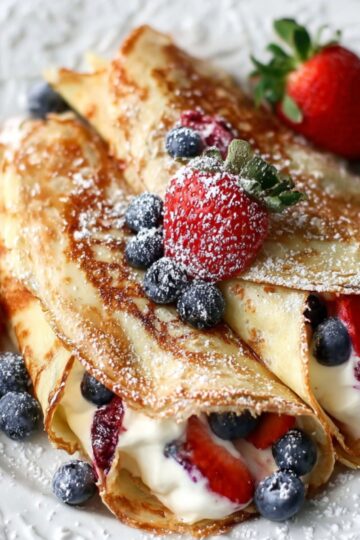
Looking for other recipes like this? Try these:

Pairing
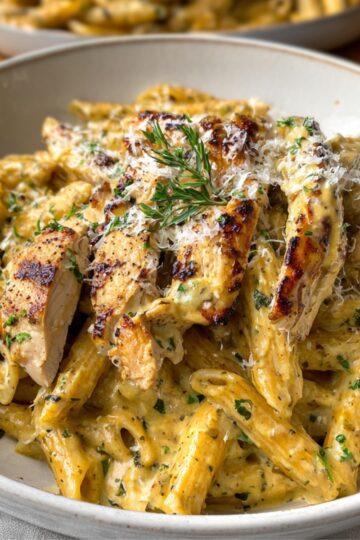
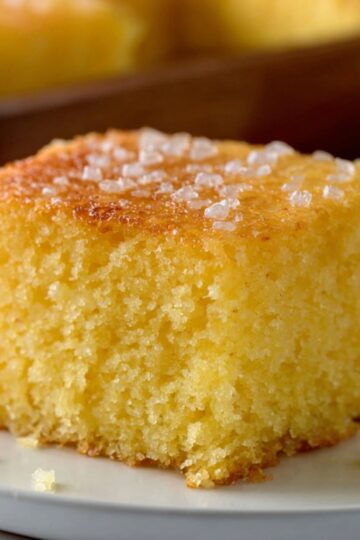
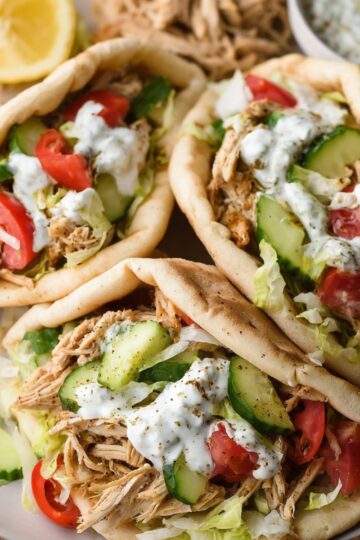
These are my favorite dishes to serve with French toast recipe

French toast recipe
Ingredients
Equipment
Method
- Heat skillet, add butter and oil, get bread ready, set plate for finished toast
- Crack eggs, add milk, cinnamon, vanilla, salt, and sugar; whisk until smooth
- Dip each bread slice in egg mixture for 20-30 seconds per side, shake off excess
- Place slices in hot skillet, cook 2-3 minutes per side until golden brown and crispy
- Transfer to plate, add toppings immediately, repeat with remaining slices
Leave a Reply