
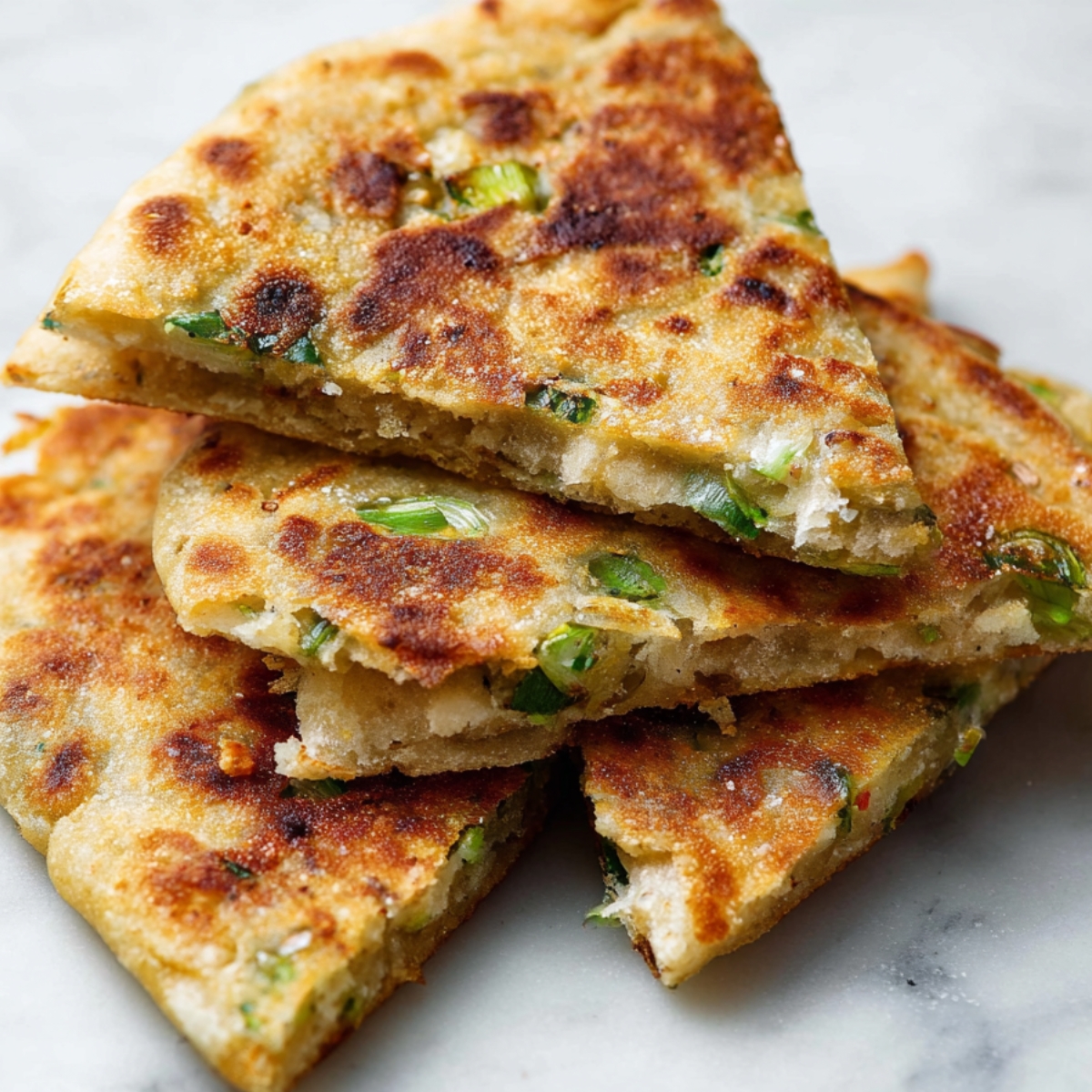
These golden, pan-fried Irish potato farls have a tender, slightly dense crumb and crispy edges that practically beg for a pat of melting butter. I first tried them during a rainy weekend when I had leftover mashed potatoes sitting in the fridge and no bread in the house. One quick mix later, and I was flipping warm, pillowy rounds in my skillet, wondering why I'd never made these before. They're incredibly simple to throw together, and the smell of them cooking-earthy, a little toasty, with that hint of green onion-fills the kitchen in the best way.
If you're looking for something comforting and different, try pairing these with Easy Garlic Butter Chicken Recipe (Ready in 20 Minutes!) for a cozy weeknight dinner, or serve them alongside The Best Crispy Sweet Potato Fries Baked for a fun twist on classic sides.
Why You'll Love This Traditional Potato Farl Recipe
These homemade Irish potato farls check all the boxes for a simple, satisfying bread. The texture is soft and slightly chewy with crispy, golden patches on the outside. They come together quickly using basic ingredients you probably already have, and they're a wonderful way to use up leftover mashed potatoes. The subtle flavor of green onions adds a fresh, savory note without overpowering the potato base. They're also naturally adaptable-you can serve them for breakfast with eggs, at dinner alongside stew, or as a buttery snack with a cup of tea.
Jump to:
- Why You'll Love This Traditional Potato Farl Recipe
- Irish potato farls Ingredients
- How to Make Irish Potato Farls
- Substitutions and Variations
- Equipment FOR Irish potato farls
- How to Store Irish potato farls
- What Are Irish Potato Farls?
- Expert Tips
- A Little Kitchen Memory
- FAQ
- Related
- Pairing
- Traditional Irish Potato Farls
Irish potato farls Ingredients
Here's what goes into this classic Irish potato farls .
See Recipe Card Below This Post For ingredient Quantites
- Floury potato: A starchy variety like Russet or King Edward breaks down into a smooth, fluffy mash that holds the dough together beautifully.
- Butter: Adds richness and a subtle savory flavor while keeping the farls tender. Use it at room temperature so it blends easily into the warm mashed potatoes.
- All-purpose flour: Provides structure to the dough and helps the farls hold their shape during cooking. Keep a little extra on hand for rolling out.
- Baking powder: Gives the farls a slight lift and a lighter, fluffier texture inside.
- Baking soda: Works with the baking powder to create a tender crumb and helps the farls puff up gently in the pan.
- Green onions: Add a mild, fresh, slightly sweet flavor that complements the earthy potatoes perfectly.
- Salt and black pepper: Season the dough and bring out the natural flavor of the potatoes.
How to Make Irish Potato Farls
This old-fashioned Irish potato farls comes together in just a few simple steps.
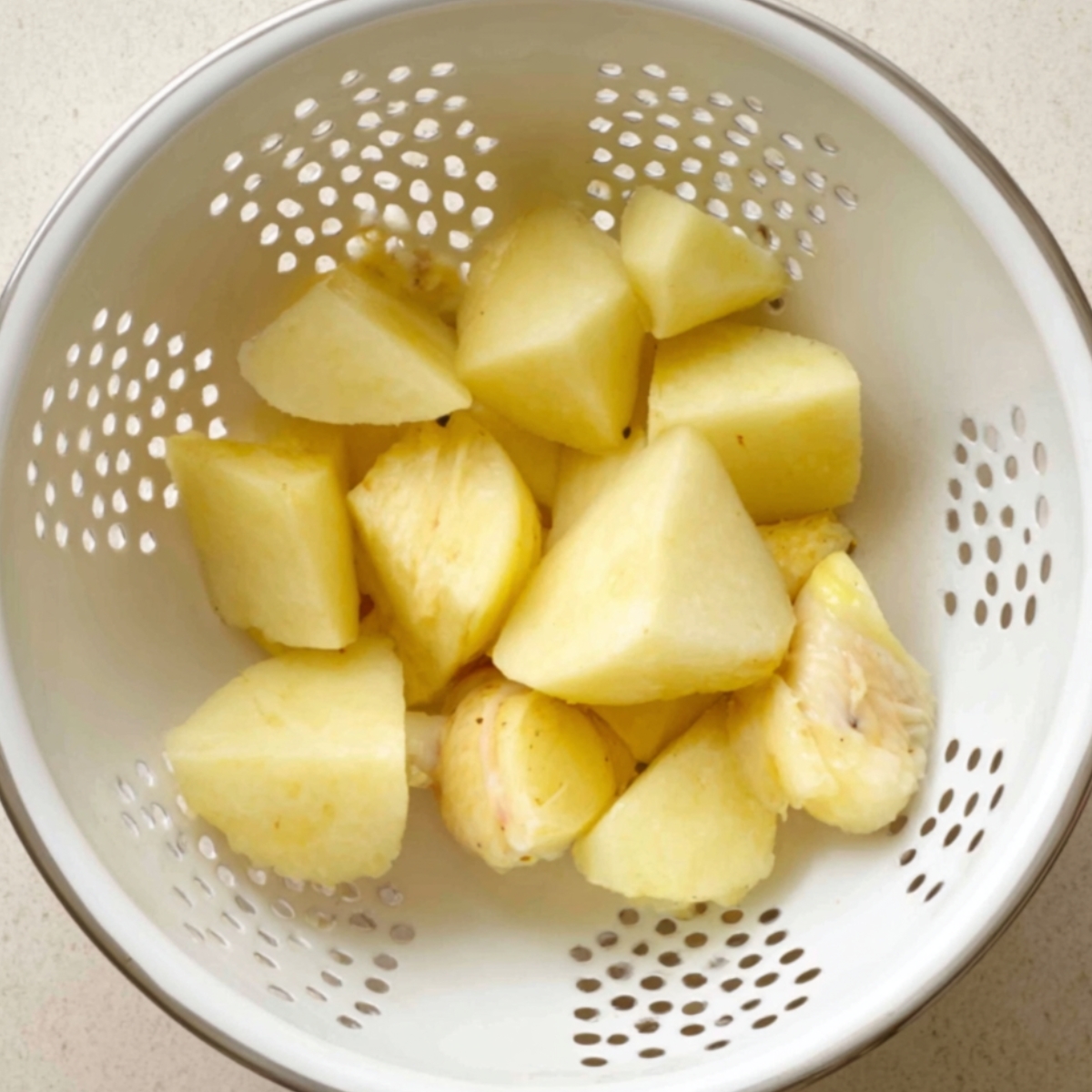
Boil and mash the potatoes: Peel and quarter the Irish potato farls , then boil in salted water until very soft and tender, about 15 to 18 minutes. Drain well and let them steam dry for a minute or two to get rid of extra moisture. Mash until smooth, then stir in the butter and a pinch of salt and pepper. Let the mixture cool to room temperature so it doesn't make the dough too sticky.
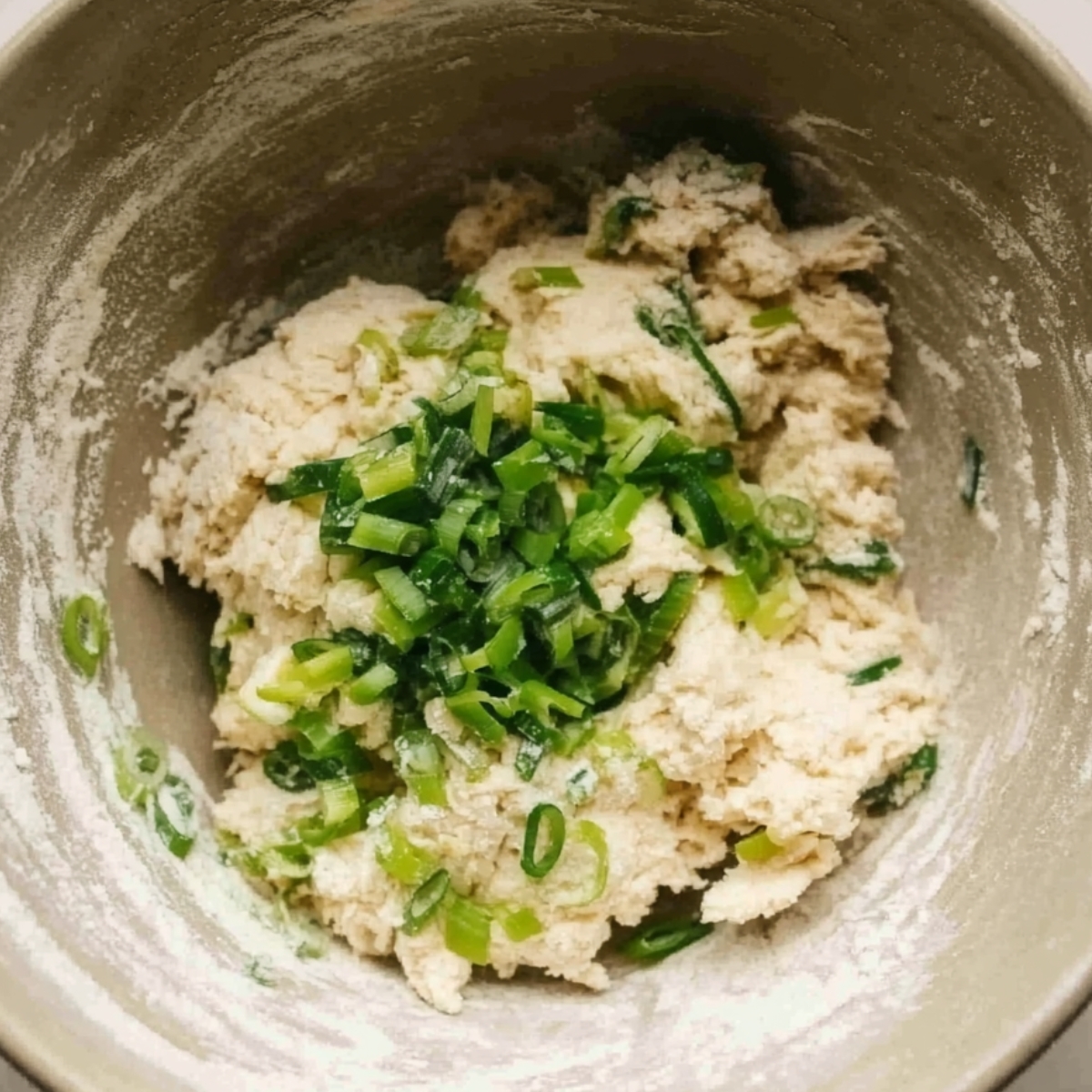
Form the dough: Add the flour, baking powder, baking soda, and sliced green onions to the bowl with the mashed potatoes. Mix everything together until it forms a soft dough that pulls away from the sides of the bowl. If the dough feels too dry, add a splash of milk. If it's too wet, sprinkle in a tablespoon of flour. Divide the dough in half and gently shape each piece into a ball.
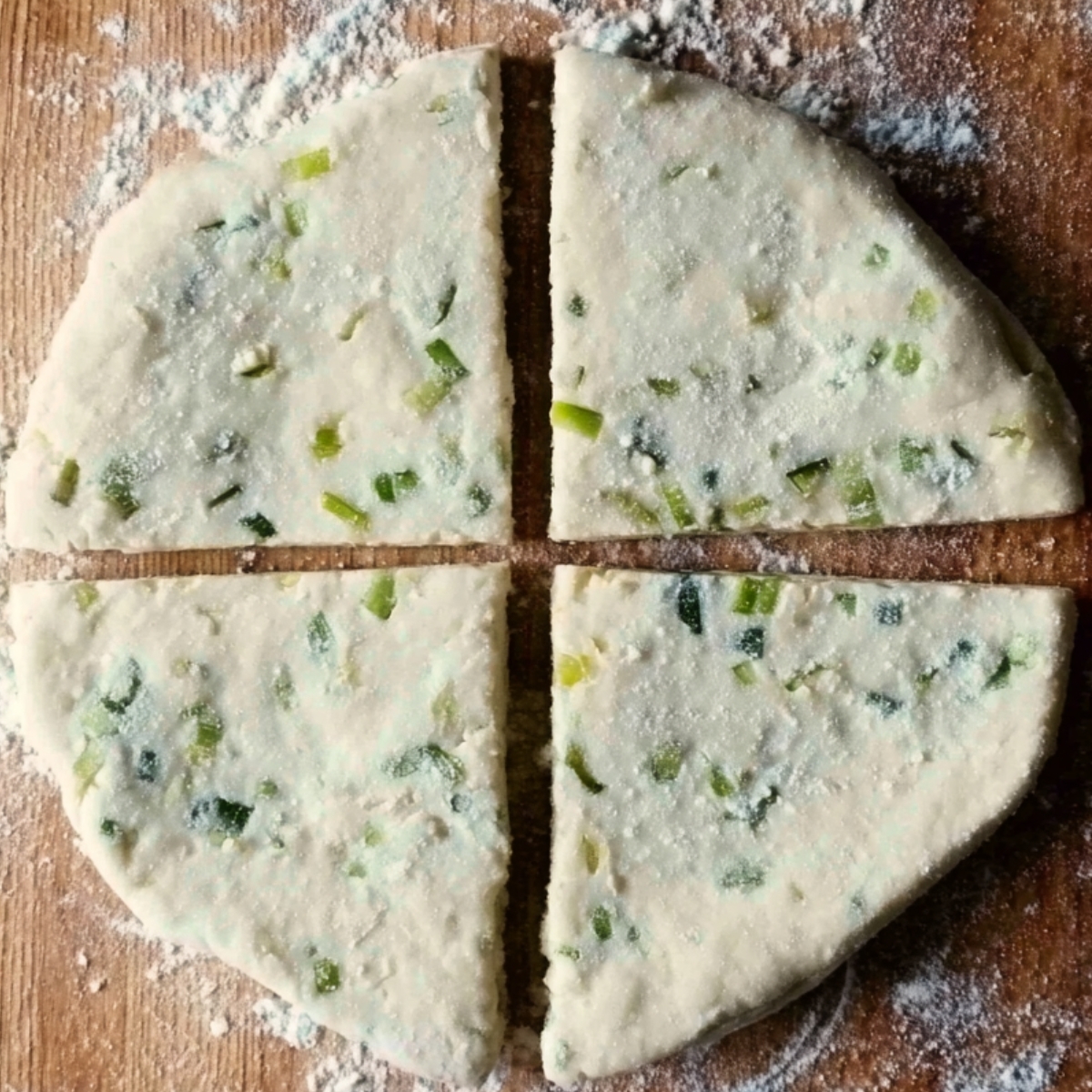
Roll and cut: On a lightly floured surface, roll one ball of dough into a disk about 1 inch thick. Cut the disk into four wedges, or quarters, to create the traditional farl shape.
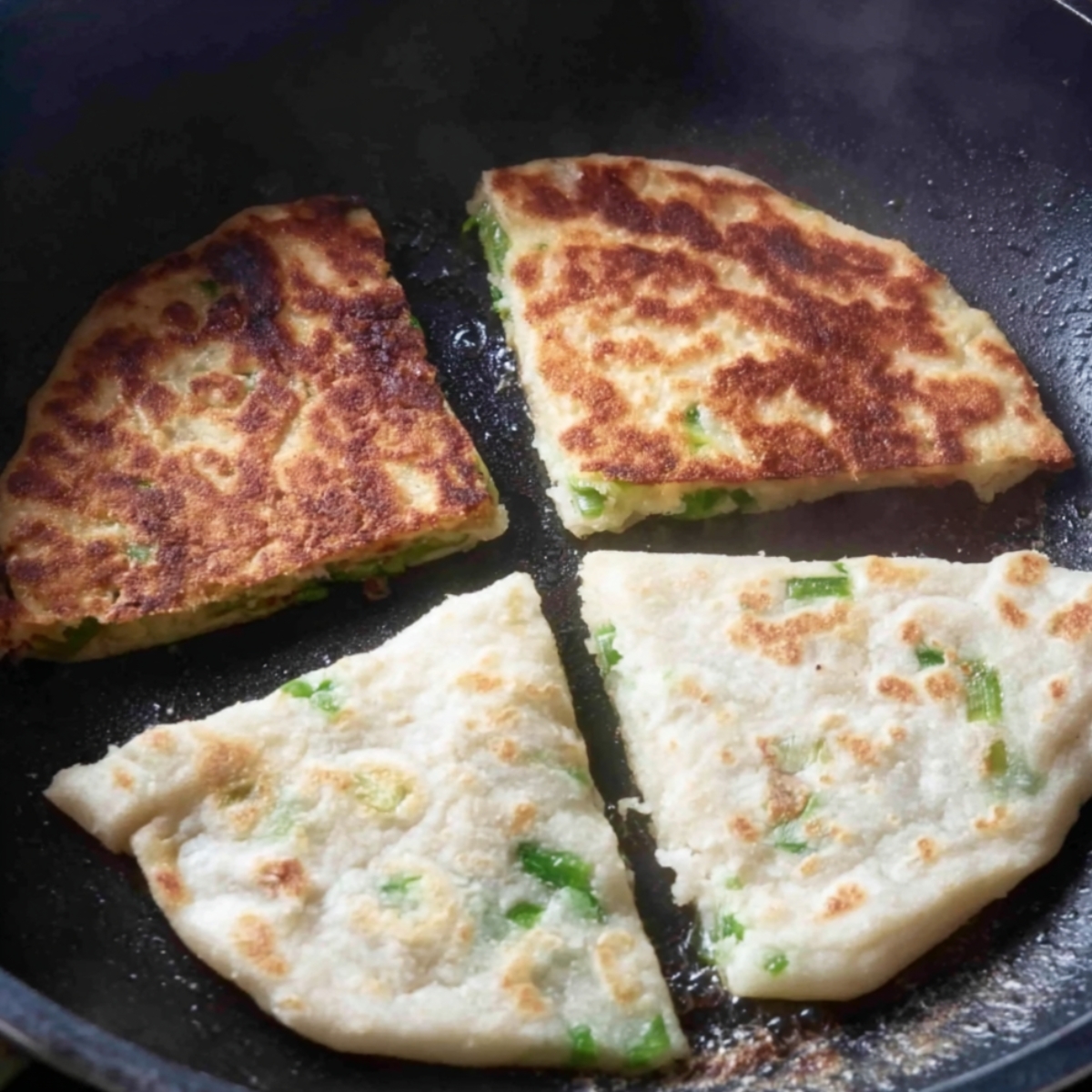
Pan-fry the farls: Heat a dry non-stick frying pan over medium heat. Place the wedges in the pan and cook for about 4 minutes on the first side, or until golden brown patches start to appear on the bottom. Cover the pan with a lid for a couple of minutes to help the farls puff up slightly, then flip them over and cook for another 3 minutes until the second side is golden and cooked through. Repeat with the remaining dough.
Substitutions and Variations
This rustic Irish potato farls recipe is easy to adapt based on what you have on hand.
- Leftover mashed potatoes: If you're using mash from last night's dinner, just make sure it's plain or lightly seasoned. You'll need about 1 cup of cooled mashed potatoes. Skip the boiling step and start with adding the flour and other ingredients.
- Herbs: Swap the green onions for chopped fresh chives, parsley, or thyme if you prefer a different flavor.
- Cheese: Fold in a handful of shredded cheddar or crumbled feta for a richer, savory twist.
- Whole wheat flour: Replace half of the all-purpose flour with whole wheat for a slightly nuttier flavor and a bit more texture.
- Dairy-free option: Use dairy-free butter or olive oil in place of regular butter.
Equipment FOR Irish potato farls
You'll need a large pot for boiling the potatoes, a sturdy Irish potato farls masher for smooth results, and a non-stick frying pan for cooking the farls without them sticking. A rolling pin is helpful for flattening the dough evenly, but you can also use your hands to gently press it out if you don't have one.
How to Store Irish potato farls
Let the farls cool completely, then store them in an airtight container or zip-top bag at room temperature for up to 2 days. For longer storage, keep them in the fridge for up to 5 days. Reheat them in a dry skillet over medium heat for a minute or two on each side, or pop them in the toaster for a quick warm-up. You can also freeze cooked farls for up to 3 months-just wrap them individually in plastic wrap, then place them in a freezer bag. Thaw overnight in the fridge and reheat before serving.
What Are Irish Potato Farls?
Irish potato farls are a type of traditional Irish potato farls made from mashed potatoes, flour, and butter, then shaped into rounds and pan-fried until golden. The word "farl" comes from the Gaelic word meaning "four parts," since the dough is typically cut into quarters before cooking. They're a staple in Irish breakfast spreads, but honestly, they're just as good at dinner or as a snack any time of day.
Expert Tips
Use starchy potatoes: Floury varieties like Russet or King Edward give you the fluffiest mash and the best texture in the finished farls. Waxy potatoes won't break down as smoothly.
Let the mash cool: Adding the flour and other ingredients to hot mashed potatoes can make the dough sticky and hard to work with. Let everything cool to room temperature first.
Don't overwork the dough: Mix just until the ingredients come together. Overworking can make the farls tough instead of tender.
Keep the pan dry: Traditional farls are cooked in a dry pan with no oil or butter. This helps them develop those golden, slightly crispy patches on the outside while staying soft inside.
Cover while cooking: Using a lid for a minute or two traps steam and helps the farls puff up gently, giving them a lighter texture.
A Little Kitchen Memory
My sister Daniel came over last month and caught me flipping farls in the pan. She leaned against the counter, arms crossed, and said, "Are those pancakes? They smell weird." I laughed and told her they were potato bread, and she wrinkled her nose until I handed her a piece with butter melting into the warm center. She took one bite, paused, then reached for another piece before I could even plate the rest. "Okay, these are actually really good," she admitted, mouth half full. "But next time, don't tell me what's in them first." That's Daniel for you-skeptical until the first taste, then she's your biggest fan.
FAQ
What is an Irish potato farl?
An Irish potato farl is a traditional potato bread made from mashed potatoes, flour, butter, and seasonings, shaped into rounds and cut into quarters before being pan-fried. The name comes from the Gaelic word for "four parts." They're soft, slightly dense, and have a wonderful earthy flavor with crispy golden edges.
Are potato farls the same as potato bread?
Potato farls are a type of Irish potato bread, but the term "potato bread" can refer to different recipes depending on the region. Irish potato farls are specifically made with mashed potatoes and cooked on a griddle or in a skillet, while other potato breads might be baked in a loaf pan or made with different ratios of potato to flour.
What does farl mean in Irish?
The word "farl" comes from the Gaelic word "fardel," which means "four parts" or "fourth part." It refers to the traditional way of cutting the dough into four wedges or quarters before cooking.
What to put on potato farls?
Butter is the classic choice-just slather it on while the farls are still warm and let it melt into all the nooks and crannies. You can also top them with fried eggs, crispy bacon, smoked salmon, cream cheese, or a drizzle of honey for a sweet and savory combo. Some people like them with baked beans or alongside a hearty stew for dipping.
Related
Looking for other recipes like this? Try these:

Pairing
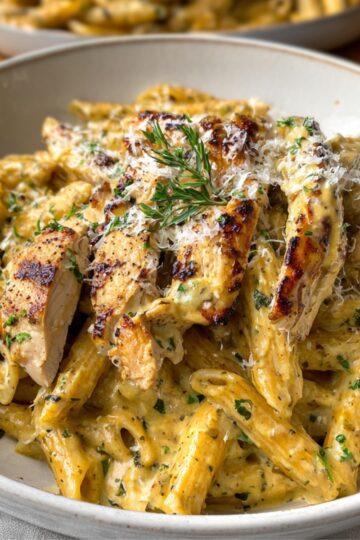
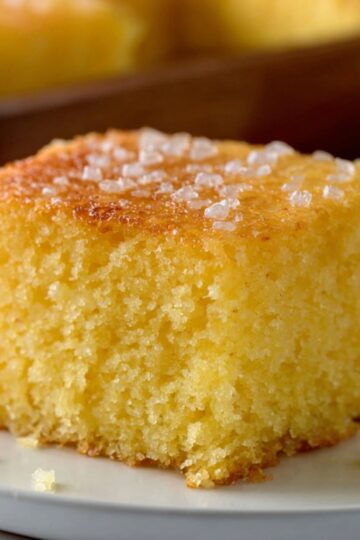
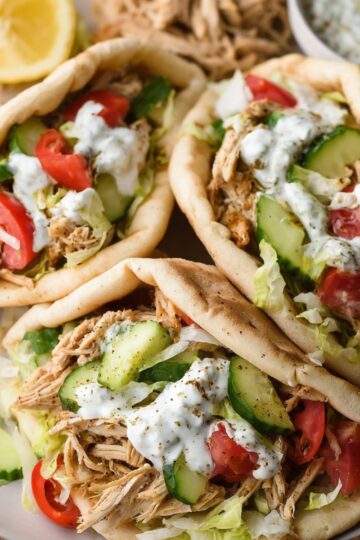
These are my favorite dishes to serve with Irish potato farls :

Traditional Irish Potato Farls
Ingredients
Method
- Peel the potatoes, cut them into large pieces, and boil in well-salted water until they break apart easily when pierced. Drain thoroughly and allow excess steam to escape before mashing smoothly with butter, salt, and pepper, then let cool completely.
- Add the flour, baking powder, baking soda, and sliced green onions to the cooled mash and stir until a soft dough forms that pulls cleanly from the bowl, adjusting with milk or flour as needed.
- Divide the dough into two equal portions and gently roll each into a ball without overworking.
- Dust a work surface with flour, flatten one dough ball into a thick round about one inch high, and slice into four even wedges.
- Heat a dry skillet over medium heat and cook the farls for several minutes until golden spots appear underneath, cover briefly to help them rise, then flip and cook until fully set and lightly browned; repeat with remaining dough.

Leave a Reply