
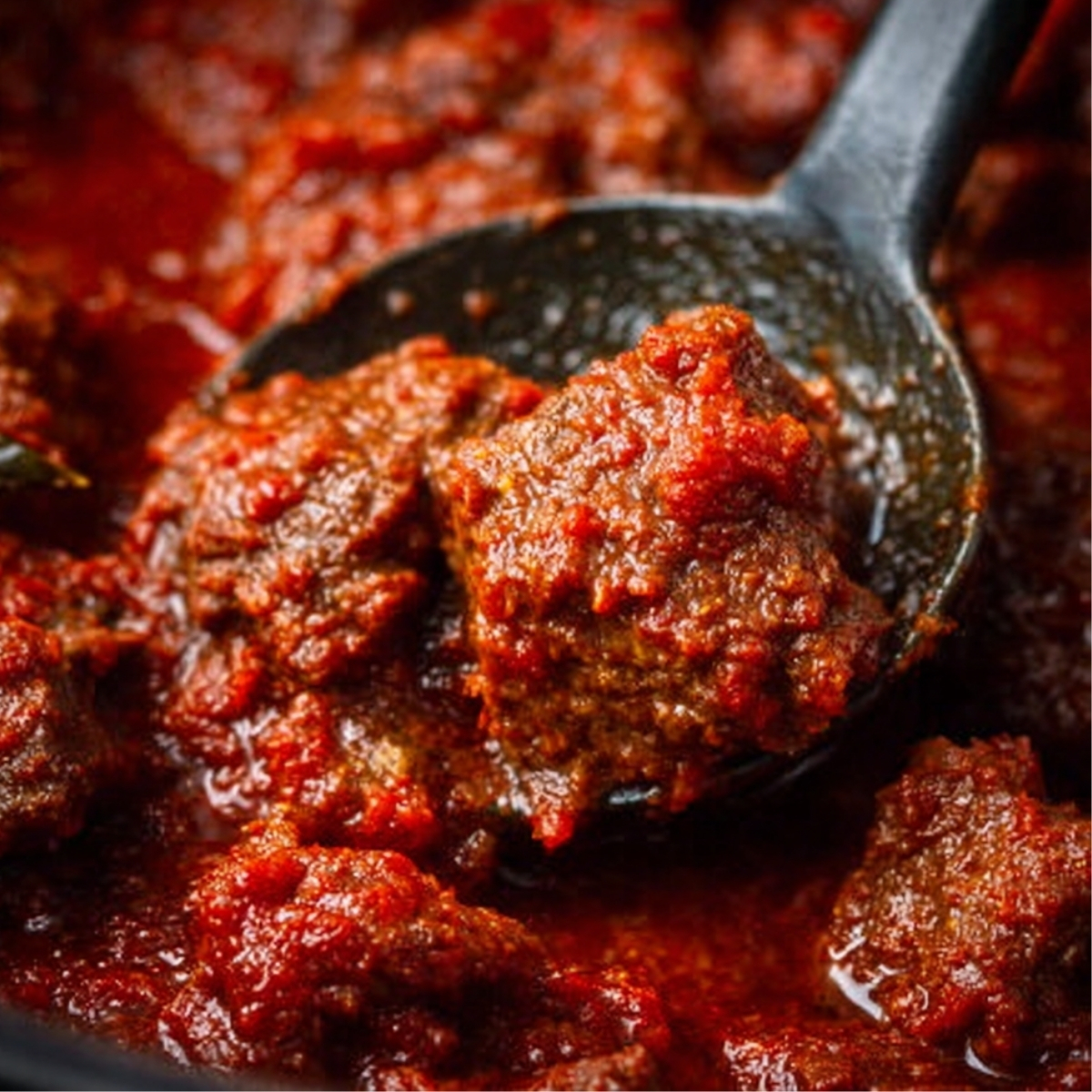
This Nigerian beef stew is rich, deeply savory, and loaded with tender chunks of beef swimming in a thick red pepper sauce that clings to everything it touches. The aroma alone-smoky, spicy, with that unmistakable sweetness from slow-cooked tomatoes-fills your kitchen and makes everyone come running.
I first tasted this stew at my coworker Juliam's house during a potluck dinner, and I couldn't stop going back for more. She laughed and said it's the kind of dish that makes rice, yam, or even plain bread taste like a celebration. What I love most is how simple the ingredients are-you probably have half of them already-but the flavor? It tastes like you've been cooking all day.
If you're looking for more comforting dinner ideas, you might also love this Easy Garlic Butter Chicken Recipe (Ready in 20 Minutes!) or this Southwest Chicken Wrap Recipe (Ready in 35 Minutes!) for busy weeknights.
Why You'll Love This Nigerian beef stew
This traditional Nigerian beef stew checks every box. The beef is fall-apart tender, the sauce is thick and clings to every grain of rice, and the heat from the scotch bonnets is just enough to wake up your taste buds without overwhelming them. It's the kind of stew that tastes even better the next day after the flavors have had time to settle and deepen. You can make a big batch, freeze half, and have a hearty, soul-warming meal ready whenever you need it. Plus, it's versatile-you can serve it with anything from jollof rice to boiled yam, fried plantains, or even The Best Crispy Sweet Potato Fries Baked on the side.
Jump to:
Nigerian beef stew Ingredients
Here's what you'll need to make this rich, flavorful Nigerian beef stew.
See Recipe Card Below This Post For Ingredient Quantities
- Red bell peppers: These give the stew its signature red color and a mild, sweet base that balances the heat from the scotch bonnets.
- Canned chopped tomatoes: Adds body and a deep tomato flavor that forms the backbone of the sauce.
- Onion: Brings sweetness and helps build layers of flavor as it cooks down into the stew.
- Scotch bonnet peppers: The heart of the heat. You can adjust the amount depending on your spice tolerance, but don't skip them entirely-they add that authentic Nigerian kick.
- Chicken bouillon powder: Seasons the stew with savory depth. Use it according to your taste, but don't overdo it.
- Salt: Balances all the flavors and brings everything together.
- Oregano: Optional, but it adds a subtle earthy note that complements the richness of the beef.
- Beef: Use a cut that becomes tender when boiled, like chuck or stew meat. The beef soaks up all the flavors from the sauce.
- Vegetable oil: Used for frying the beef and cooking the pepper base. The oil rises to the top when the stew is done, which is a good sign.
- Curry powder: Optional, but it adds warmth and a hint of spice that rounds out the flavor.
- Thyme: Another optional herb that brings a gentle, aromatic touch to the stew.
HOW TO MAKE Nigerian beef stew
Follow these steps to make the most flavorful Nigerian beef stew from scratch.
Boil the beef: Place the beef in a pot with 2 teaspoon bouillon powder, ½ teaspoon salt, chopped onion, and oregano. Add enough water to cover, then boil until the beef is tender, about 20 minutes or longer depending on the cut. You'll know it's ready when a fork slides in easily.
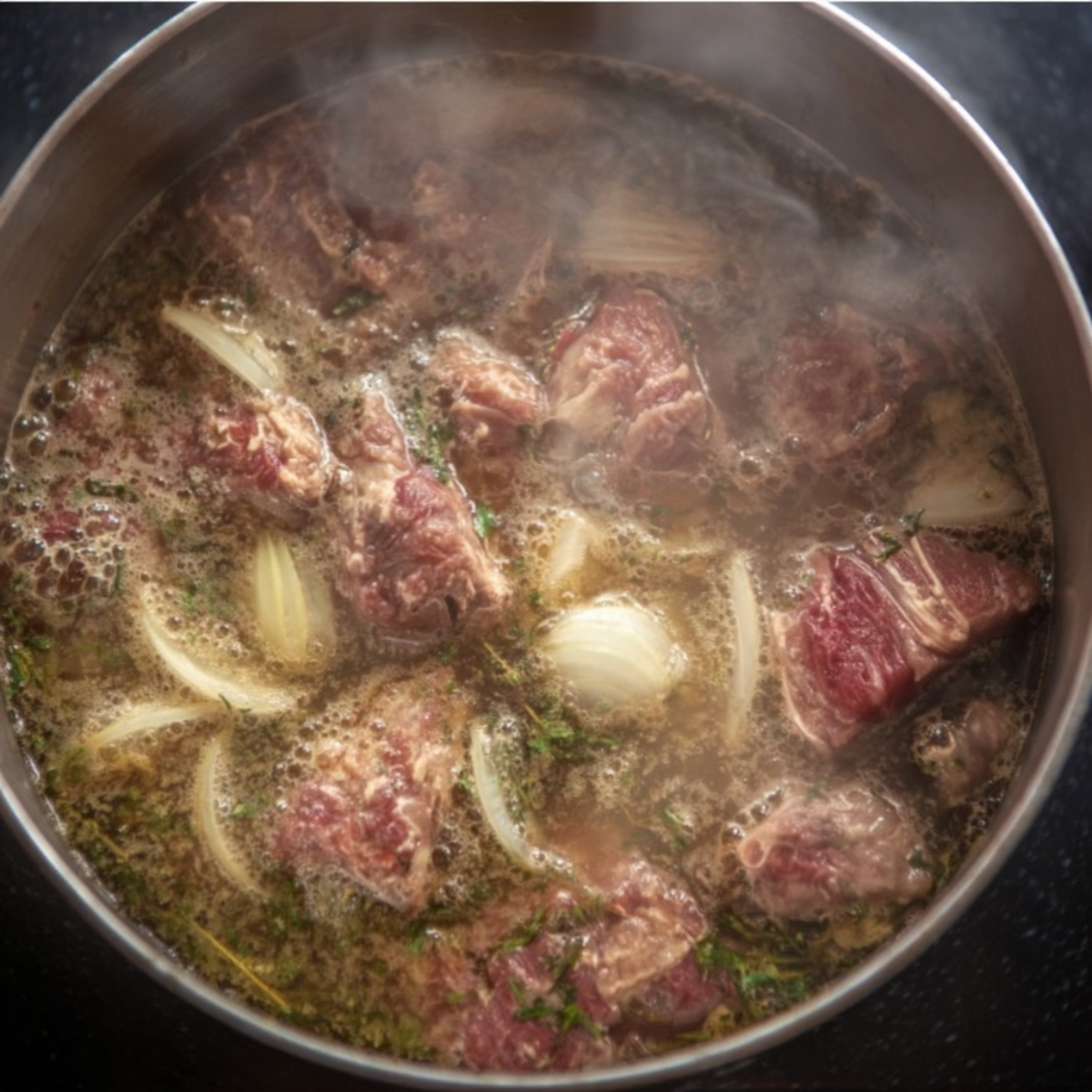
Strain the stock: Remove the beef from the pot and set it aside. Pour the stock through a sieve to remove any scum or bits, then save the liquid-you'll use it later to adjust the stew's thickness.
Heat the oil: Place a saucepan over medium heat, add the vegetable oil, and let it get hot. You want it shimmering but not smoking.
Fry the beef: Carefully add the boiled beef to the hot oil and fry until golden brown on all sides. This step locks in flavor and gives the beef a nice texture. If you prefer a lighter version, you can grill the beef instead.
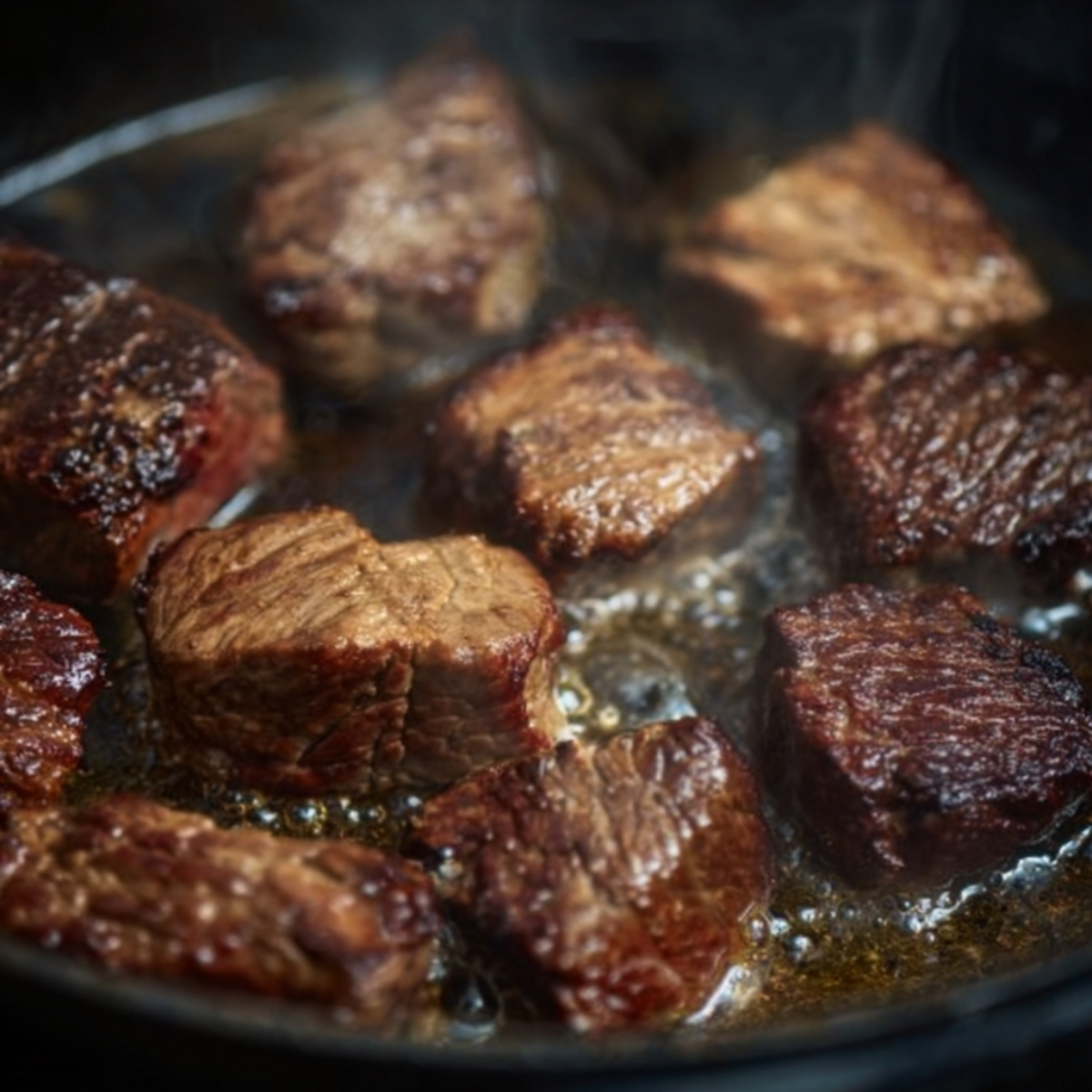
Drain the beef: Remove the fried beef and place it on a kitchen towel to soak up excess oil.
Cook the pepper mixture: Carefully pour the blended pepper mixture (red bell peppers, tomatoes, onion, and scotch bonnets) into the hot oil. Stir well, cover with a lid, and let it cook for 10 minutes. The mixture will bubble and reduce as the water cooks out.
Stir and adjust: Stir occasionally to prevent sticking. If the stew starts to look too thick or begins to stick to the bottom, add small amounts of the reserved beef stock or water.
Add spices: Stir in the curry, thyme, and any other spices you like. Mix everything well so the flavors spread evenly.
Adjust seasoning: Taste the stew and add more bouillon powder or salt if needed, but go slowly-you don't want to over-season.
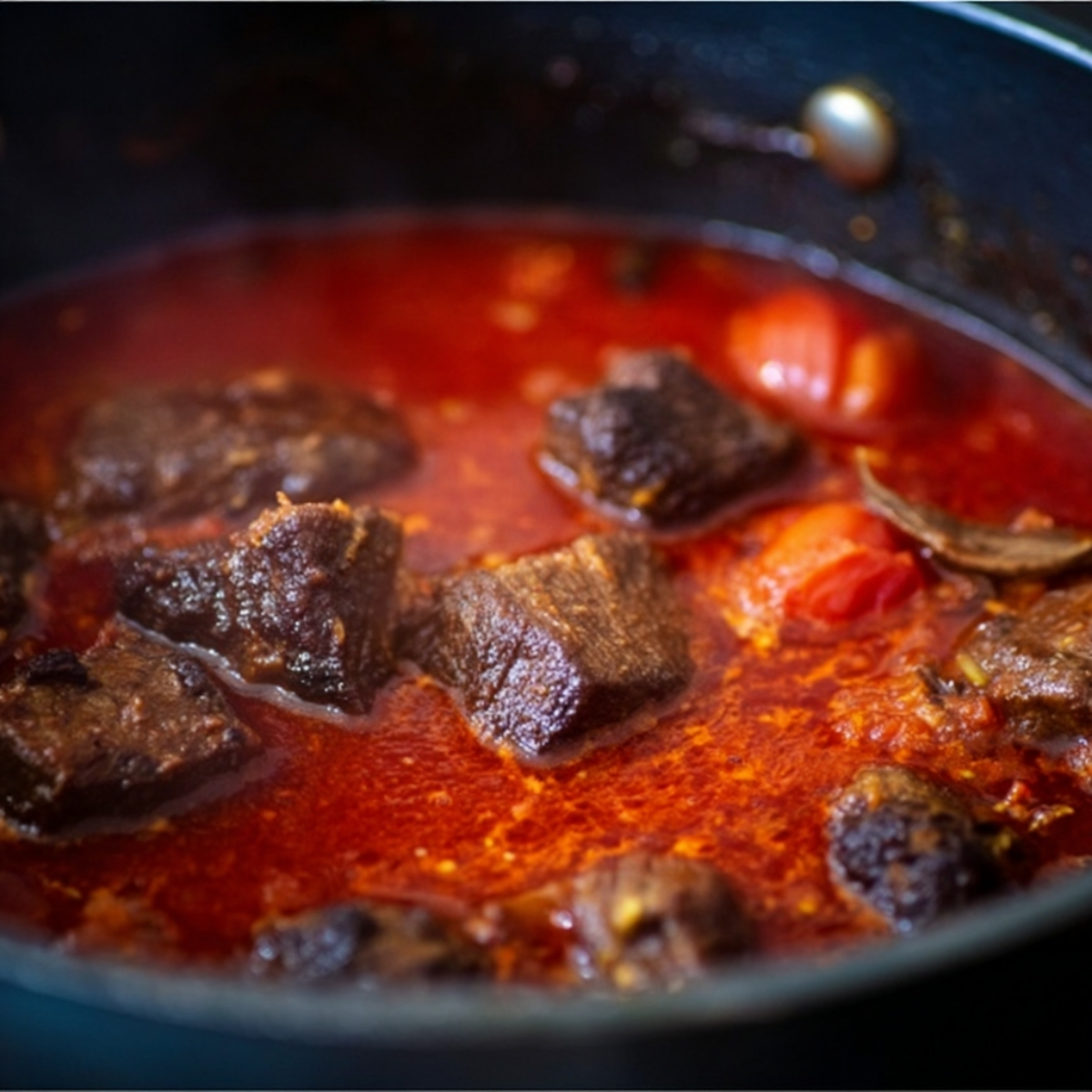
Simmer with beef: Return the fried beef to the stew, stir to coat each piece, and let it simmer for 10 to 15 minutes. You'll know it's ready when a layer of oil floats on top.
Serve: Turn off the heat and serve warm with rice, yam, plantains, or your favorite side.
Substitutions and Variations
Vegetarian option: Replace the beef with chunks of mushrooms or firm tofu and use vegetable stock instead of beef stock.
Beef alternatives: You can use goat meat, chicken, or even turkey for a lighter version. Just adjust the boiling time based on the protein.
Less heat: If scotch bonnets are too spicy, use fewer or swap them for milder peppers like jalapeños.
Tomato paste: Add a tablespoon or two of concentrated tomato paste for a deeper, richer tomato flavor.
Oil-free version: Skip the frying step and grill or bake the beef, then reduce the amount of oil used in the stew base.
Equipment FOR Nigerian beef stew
Saucepan: For boiling the Nigerian beef stew and cooking the stew.
Blender: To blend the peppers, tomatoes, and onions into a smooth mixture.
Sieve: For straining the Nigerian beef stew stock and removing any impurities.
Kitchen towel: To drain excess oil from the fried beef.
Storage and Reheating Tips
Store leftover Nigerian beef stew in an airtight container in the fridge for up to 4 days. The flavors deepen overnight, so it often tastes even better the next day. You can also freeze it for up to 3 months-just let it cool completely, then portion it into freezer-safe containers. To reheat, warm it gently on the stovetop over low heat, adding a splash of water or stock if it's too thick. You can also microwave individual portions, stirring halfway through.
Expert Tips
Fry the beef: Don't skip this step. Frying or grilling the Nigerian beef stew before adding it to the stew gives it a deeper flavor and better texture.
Blend smooth: Make sure your pepper mixture is completely smooth. Any chunks will change the texture of the stew.
Cook the peppers down: Let the pepper base cook long enough for the raw pepper taste to disappear and for the oil to start separating. This is key to a rich, well-developed flavor.
Use reserved stock: Keep that Nigerian beef stew stock handy to thin the stew as needed. It adds more flavor than plain water.
Taste as you go: Season carefully and taste before adding more salt or bouillon. You can always add, but you can't take it away.
Let it rest: If you have time, let the stew sit for 30 minutes after cooking. The flavors meld together beautifully.
A Little Story from My Kitchen
Juliam brought a huge pot of this stew to work one Friday, and the break room smelled like a Nigerian kitchen for the rest of the day. My friend David, who's never adventurous with food, took one look at the bright red color and said, "That looks like it'll burn my face off."
Juliam just smiled and handed him a spoonful over rice. He took a bite, paused, then went completely silent. After a few seconds, he looked up and said, "Okay, I need the recipe. And maybe another plate."
She told him the secret was frying the Nigerian beef stew first to lock in the flavor, then letting it simmer in the stew so it soaks up all that peppery richness. By the end of lunch, David had thirds. Now he asks her every week if she's bringing "that red stew" again.
FAQ
What are the ingredients in African beef stew?
African beef stew typically includes beef, tomatoes, bell peppers, onions, scotch bonnet or other hot peppers, and seasonings like bouillon, thyme, and curry. The ingredients can vary by region, but the base is usually a rich tomato and pepper sauce.
What is the famous stew in Nigeria?
Nigerian beef stew is one of the most famous and widely eaten stews in Nigeria. It's a staple at parties, family dinners, and everyday meals. Another popular one is egusi soup, but tomato-based beef stew is the go-to comfort food.
What are the ingredients in Nigerian stew?
Nigerian stew is made with blended tomatoes, red bell peppers, scotch bonnet peppers, onions, and your choice of protein-usually beef, chicken, or fish. It's seasoned with bouillon, salt, curry, and thyme, then cooked in vegetable oil until thick and rich.
What is the secret ingredient for beef stew?
The secret is frying the Nigerian beef stew before adding it to the stew. This step locks in flavor and gives the beef a deeper, more savory taste. Also, letting the pepper base cook down fully until the oil separates is what makes Nigerian stew so rich and delicious.
Related
Looking for other recipes like this? Try these:




Pairing
These are my favorite dishes to serve with Nigerian beef stew:



Classic Nigerian Beef Tomato Stew
Ingredients
Method
- Simmer the beef with chopped onion, oregano, 2.5 teaspoons bouillon powder, and 0.6 teaspoon salt until the meat becomes tender, adjusting cooking time based on the cut used.
- Remove the cooked beef from the broth, strain the stock to remove impurities, and set both aside separately.
- Heat the vegetable oil in a saucepan over medium heat until hot, then carefully add the beef and fry until the exterior turns golden brown.
- Transfer the browned beef onto paper towels to drain excess oil before continuing.
- Carefully add the blended pepper mixture into the hot oil, stir well, cover, and allow it to cook for about 10 minutes, stirring occasionally and adding small splashes of stock if needed.
- Stir in the curry powder and thyme, mixing thoroughly to distribute the spices evenly.
- Season the stew with remaining bouillon powder or salt, tasting carefully to avoid excess seasoning.
- Return the fried beef to the saucepan, stir until fully coated, and let the stew simmer for 10 to 15 minutes until oil rises to the surface.
- Turn off the heat and allow the stew to rest briefly before serving with your preferred side.




Leave a Reply