
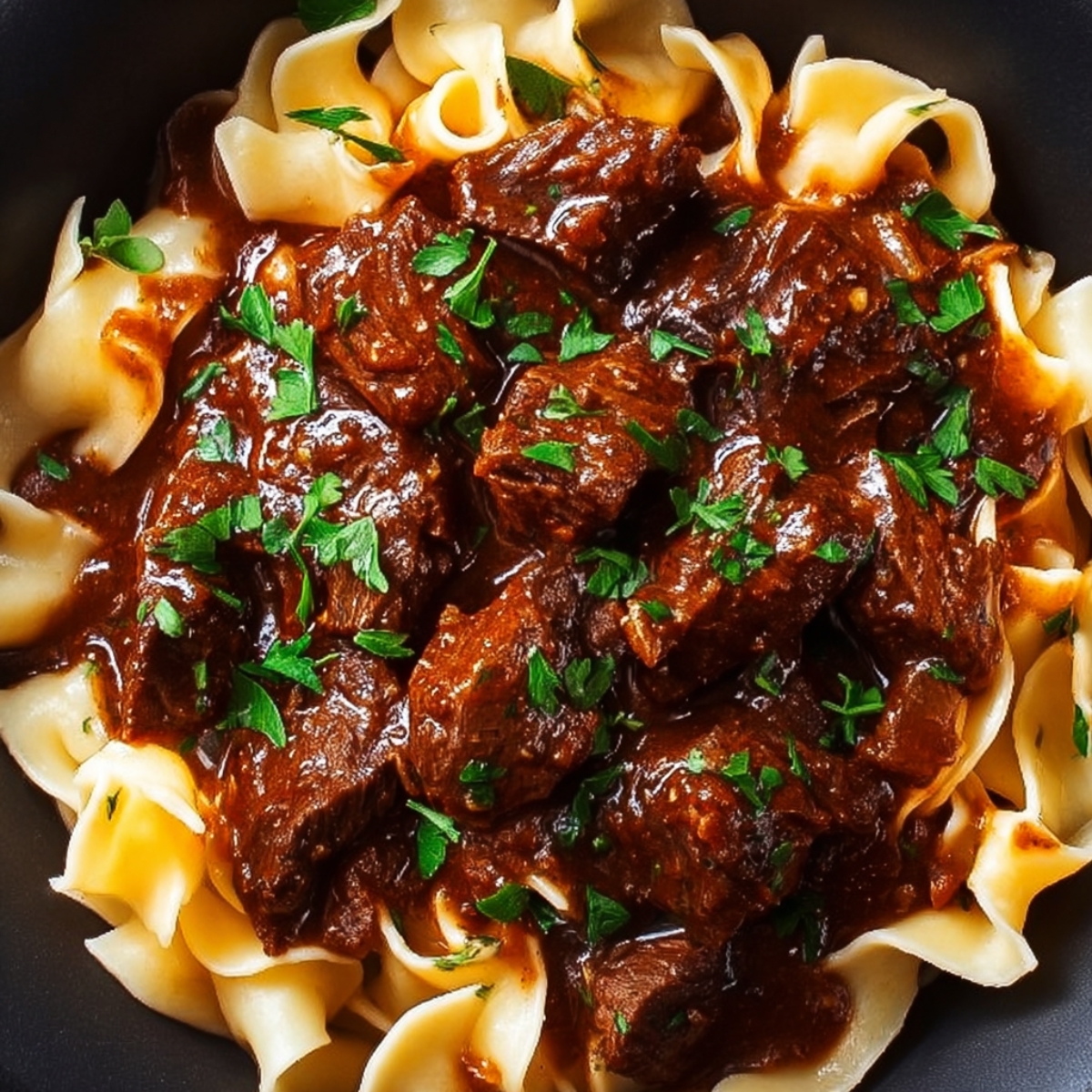
Glossy, saucy noodles tangled with sweet and savory ground beef, a hit of sesame, and just enough heat from red pepper flakes to keep things interesting, these Korean Beef Noodles are the kind of dinner that disappears fast. I made this for the first time on a night when I had a pound of ground beef, a box of linguine, and about 20 minutes before everyone started circling the kitchen looking hungry. The sauce comes together in one small bowl and the whole skillet is done before the noodles even have a chance to cool down.
If bold, easy dinners are your thing, my Salt And Pepper Chicken and Loaded Taco Potato Bowl are two more that hit the same satisfying note on a busy evening.
why you'll love this Korean Beef Noodles
It's 20 minutes from start to finish, uses ingredients most people already have at home, and produces a plate of noodles that tastes genuinely complex and craveable. The sauce is sweet, salty, and slightly spicy, the beef is tender and coated in every bit of that glaze, and the noodles soak it all up beautifully. It reheats well the next day, which makes it a solid meal prep option too.
Jump to:
Korean Beef Noodles Ingredients
Every ingredient here is doing something specific for the dish.
See Recipe Card Below This Post For Ingredient Quantities
- Linguine noodles: Long, flat noodles that hold the sauce well and tangle with the beef in a satisfying way. Cook them al dente so they don't go soft when tossed in the warm skillet.
- Lean ground beef: The protein base of the dish. Lean beef keeps the sauce from getting greasy, but 80/20 works fine if that's what you have.
- Garlic: Added after the beef browns, it cooks just long enough to turn fragrant without burning. Fresh garlic makes a real difference here.
- Brown sugar: This is what gives the sauce its Korean-inspired sweetness and helps it caramelize slightly against the hot beef. It balances the saltiness of the soy sauce perfectly.
- Soy sauce: The savory, umami backbone of the sauce. Low-sodium soy sauce works well if you're watching salt levels.
- Sesame oil: Adds that unmistakable nutty, toasty depth that makes the whole dish taste distinctly Asian-inspired. A little goes a long way.
- Ground ginger: Warm and slightly spicy, it adds a subtle background note that ties the sauce together.
- Crushed red pepper flakes: Brings a gentle heat that builds as you eat. Add more if you love spicy Korean Beef Noodles, or leave it at half a teaspoon for a milder version.
- Black pepper: A secondary layer of heat that adds depth without overpowering.
- Cornstarch: Whisked into the sauce before it goes in the pan, it thickens everything into a glossy, clingy glaze that coats the beef and noodles beautifully.
- Green onions and sesame seeds, for garnish: The finishing touch. Green onions add freshness and a little color, sesame seeds add texture and a final nutty note.
How to Make Korean Beef Noodles
One pot for the Korean Beef Noodles, one skillet for everything else, and dinner is done in 20 minutes.
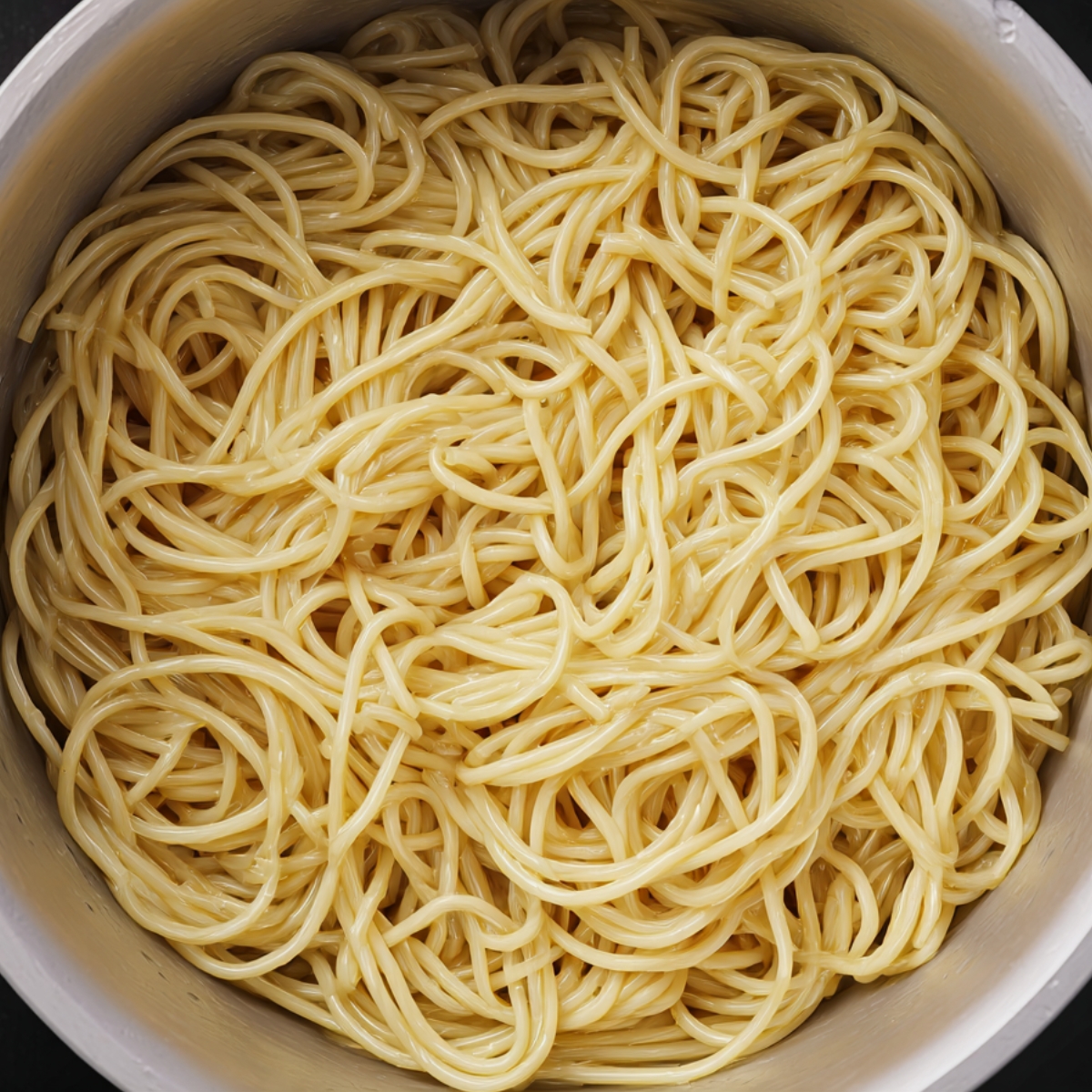
Cook the noodles: Boil the linguine in a large pot of salted water according to package directions until al dente. Drain and set aside. Don't rinse them, you want the starch to help the sauce cling.
Brown the beef: Heat a large skillet over medium-high heat. Add the ground beef and cook for 5 to 7 minutes, crumbling it with a spoon as it cooks, until no pink remains. Drain any excess fat if needed.
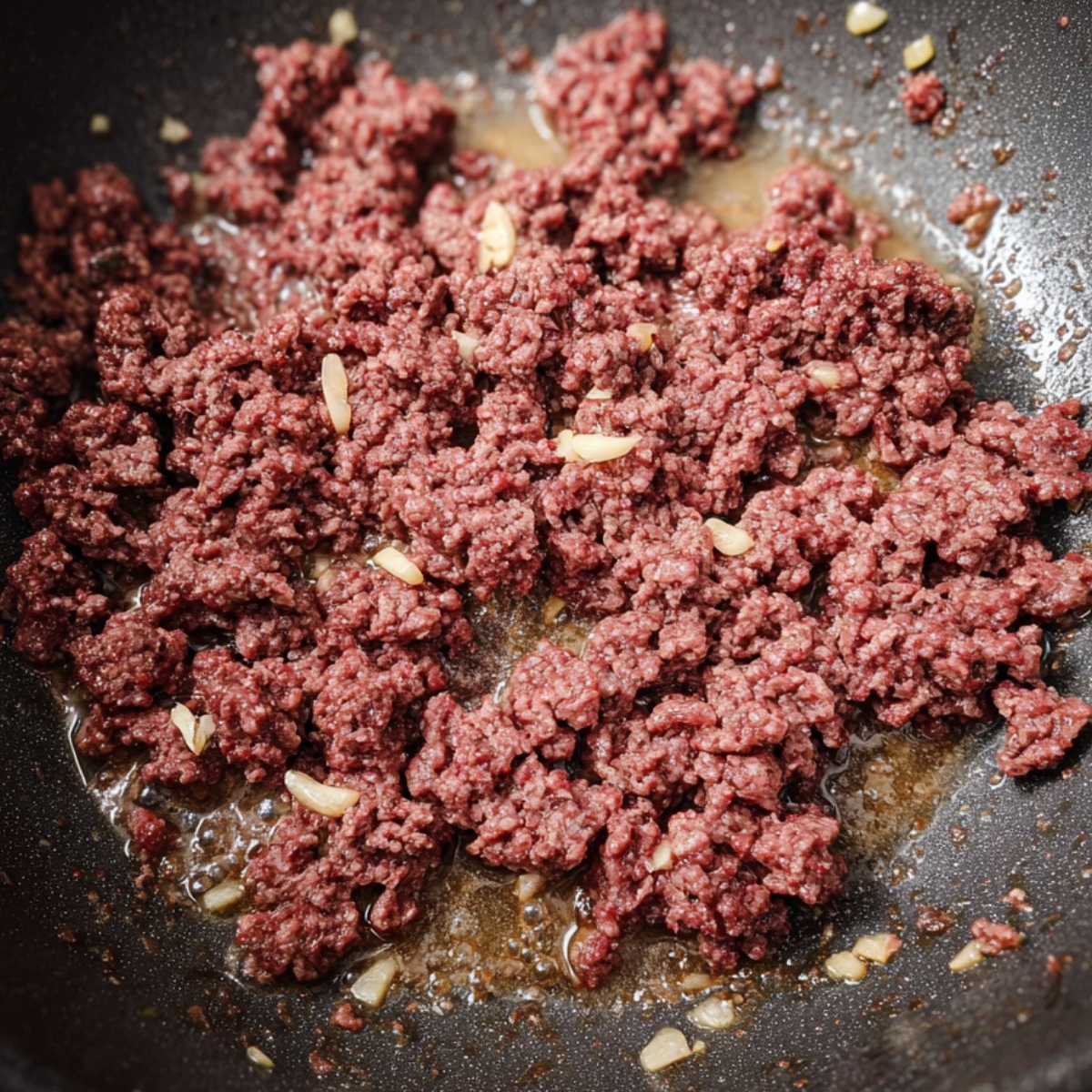
Add the garlic: Stir the minced garlic into the cooked beef and cook for 1 minute until it smells fragrant and golden. Keep the heat up so it sizzles.
Make the sauce: In a small bowl, whisk together the brown sugar, soy sauce, sesame oil, ground ginger, red pepper flakes, black pepper, and cornstarch until fully combined and smooth. Make sure the cornstarch is completely dissolved before pouring it in.
Glaze the beef: Pour the sauce over the beef in the skillet. Stir and let it simmer for 1 to 2 minutes, stirring occasionally, until the sauce thickens into a glossy, sticky glaze that coats every piece of beef.
Toss in the noodles: Add the cooked linguine to the skillet and toss thoroughly until the noodles are fully coated in the sauce and mixed through the beef. Everything should look glossy and well combined.
Garnish and serve: Scatter sliced green onions and sesame seeds over the top and serve warm immediately.
Easy Substitutions
- Linguine: Rice noodles, spaghetti, udon, or ramen noodles all work well here. Rice noodles make the dish fully gluten-free when paired with tamari.
- Ground beef: Ground turkey or ground chicken are lighter swaps. The sauce still works beautifully with either.
- Soy sauce: Tamari is a great gluten-free alternative with the same savory depth.
- Brown sugar: Honey or coconut sugar are natural swaps. Honey makes the sauce slightly thinner but still delicious.
- Sesame oil: Toasted sesame oil has the most flavor. Regular sesame oil is milder. If you don't have either, a small splash of peanut oil adds a similar nuttiness.
- Crushed red pepper flakes: Gochujang stirred into the sauce in place of the flakes adds a deeper, more authentic Korean Beef Noodles heat. Start with a teaspoon and adjust from there.
Equipment
- Large pot
- Strainer
- Large skillet
- Small mixing bowl
- Whisk
- Measuring cups and spoons
- Spoon or tongs for tossing noodles
Storage Tips
Refrigerator: Store leftovers in an airtight container for 3 to 4 days. The noodles will absorb more sauce as they sit, which actually makes the flavor even better the next day.
Reheating: Warm in the microwave for 1 to 2 minutes, stirring halfway through. On the stove, reheat over medium heat with a small splash of soy sauce or water to loosen the noodles if they've clumped together.
Freezing: Not recommended. The noodles become mushy when frozen and thawed, and the sauce loses its glossy consistency.
Meal prep: The sauce can be whisked together and stored in a jar in the fridge for up to 5 days, which makes this Korean Beef Noodles even faster on a weeknight. Cook fresh noodles and beef when you're ready.
Ways to Serve Korean Beef Noodles
These Korean Beef Noodles are satisfying on their own but pair nicely with a few simple sides.
- With a quick cucumber salad dressed in rice vinegar and sesame oil for a cool, crunchy contrast.
- Alongside steamed edamame or stir-fried bok choy for a fuller Asian-inspired spread.
- With a warm bowl of soup on the side, something light like this Seafood Bisque keeps the meal feeling balanced.
- Served next to the easy meatloaf recipe for a comfort-food dinner spread when you're feeding a bigger crowd.
Top Tip
Whisk the cornstarch fully into the sauce before it goes in the pan. Undissolved cornstarch leaves lumps in the glaze. A good 30-second whisk in the bowl ensures a smooth, glossy sauce every time.
Don't rinse the noodles after draining. Unlike some pasta dishes, keeping the starch on the noodles here helps the sauce cling better when you toss everything together.
Keep the heat up when you add the sauce. Medium-high heat helps the sauce thicken quickly and caramelize slightly against the beef, giving it that sticky, glossy finish.
Taste before serving. Soy sauce brands vary in saltiness. Give the finished dish a taste and add a small splash of soy or a pinch of sugar to balance if needed.
FAQ
Which Korean noodles have beef?
Several traditional Korean Beef Noodles dishes feature beef, including japchae, which uses glass noodles with beef and vegetables, and various Korean beef noodle soup recipes. This Korean ground beef noodles recipe is an American-style weeknight take on those bold sweet and savory flavors, using pantry-friendly linguine and lean ground beef for a fast, satisfying dinner that captures the same spirit.
What makes Korea's favorite noodle dish?
Korean Beef Noodles dishes are known for their balance of sweet, salty, savory, and spicy elements, often using soy sauce, sesame oil, garlic, and ginger as flavor anchors. This sesame beef noodles recipe draws on those same building blocks, with brown sugar for sweetness, soy sauce for depth, and red pepper for heat. That balance is what makes Korean Beef Noodles-inspired pasta so craveable and hard to stop eating.
How do you describe Korean Beef Noodles?
Korean Beef Noodles are typically a combination of tender cooked beef and noodles brought together with a flavorful sauce or broth. In this Korean beef with noodles recipe, the beef is glazed in a sweet soy and sesame sauce that coats every strand of linguine in a sticky, savory finish. It's hearty, comforting, and deeply satisfying in a way that simple ingredient lists rarely deliver.
What do Koreans call their noodles?
The Korean Beef Noodles word for noodles is "guksu" as a general term, though specific dishes have their own names. Japchae refers to glass noodle stir-fry, naengmyeon is cold buckwheat noodles, and ramyeon is the Korean version of instant noodles. This spicy Korean beef noodles recipe is an American-Korean fusion style dish inspired by those bold flavor profiles, made accessible with everyday grocery store ingredients.
Related
Looking for other recipes like this? Try these:




Pairing
These are my favorite dishes to serve with Korean Beef Noodles



Korean Beef Noodles
Ingredients
Method
- Bring a large pot of salted water to a boil and cook the linguine until al dente according to package directions. Drain and set aside.
- In a large skillet over medium-high heat, add the ground beef. Cook, breaking it apart with a spatula, for 5-7 minutes until no pink remains.
- Add the minced garlic to the skillet and cook for 1 minute until fragrant.
- In a small bowl, whisk together brown sugar, soy sauce, sesame oil, ground ginger, crushed red pepper flakes, black pepper, and cornstarch until smooth.
- Pour the sauce mixture over the cooked beef. Reduce heat to medium and simmer, stirring frequently, for 2-3 minutes until the sauce thickens.
- Add the cooked noodles to the skillet and toss thoroughly to coat evenly with the sauce.
- Garnish with sliced green onions and sesame seeds before serving.
- Serve immediately for a flavorful, quick dinner.


Leave a Reply